2025 has been an unusually turbulent year for Hollywood and so too has this Oscars season seen its fair share of controversy. Indeed, the amount of posturing and strategic leaks and gossip has been truly impressive if you’re into that sort of thing. Intimacy coordinators, AI drawings and accents, a movie that tackles trans issues and Mexican drug cartels that no one actually likes but somehow got the most nominations, not to mention that film’s trans star attempting to tweet through controversy (always a bad idea). On top of that, you’ve got a town still reeling from wildfires not too long ago, plus a release schedule that was strangled by 2023 writers and actors strikes. I don’t even want to know how the famously liberal Hollywood elites will react to the last few weeks of political mayhem, and yet I suppose we’ll find out.
What all of this means is that there are several very tight margins in several categories. There are several near locks, as always, but awards season has seen some topsy turvy swings in sentiment that means some of the big awards are up in the air. This would usually be the mark of an interesting night… if anyone had seen or cared about the nominated movies. I’m being a little facetious here, but we’re certainly a far cry from last year’s Barbenheimer juggernaut.
The ceremony itself has had some strange changes too. First and seemingly most welcome is that they’re skipping the best song performances this year. Which sounds great (often my least favorite part of the broadcast), except that they’re still replacing it with music (something about a medley of the songs performed by Cynthia Erivo and Ariana Grande and a Queen Latifah performance celebrating Quincy Jones). Some of the big awards were going to have the “Fab 5” format where previous winners would praise the current nominees, but that’s apparently been put on hold (perhaps due to aforementioned nominee’s tweets?) They’ll just show clips, which, honestly, is the way to go anyway. Finally, Conan O’Brien is hosting, and I’ve always enjoyed his schtick, so I’m looking forward to that.
It’s also time for the annual reminder that the Oscars broadcast is the biggest source of income for the Academy of Motion Picture Arts and Sciences, which is actually a very useful organization. As Steven Soderbergh noted a few years ago, what the Academy does for film archiving and preservation alone should be praised, and it’s all paid for by the broadcast. People love to complain about the Oscars, but that’s kinda fun in itself, and it’s not like any mainstream awards program wouldn’t court controversy or criticism in some way. Actually putting on the show is difficult and it does have a lot of benefits for the industry and cinema as a whole. Anyway, let’s look at the categories and make some predictions:
2025 Oscars Predictions
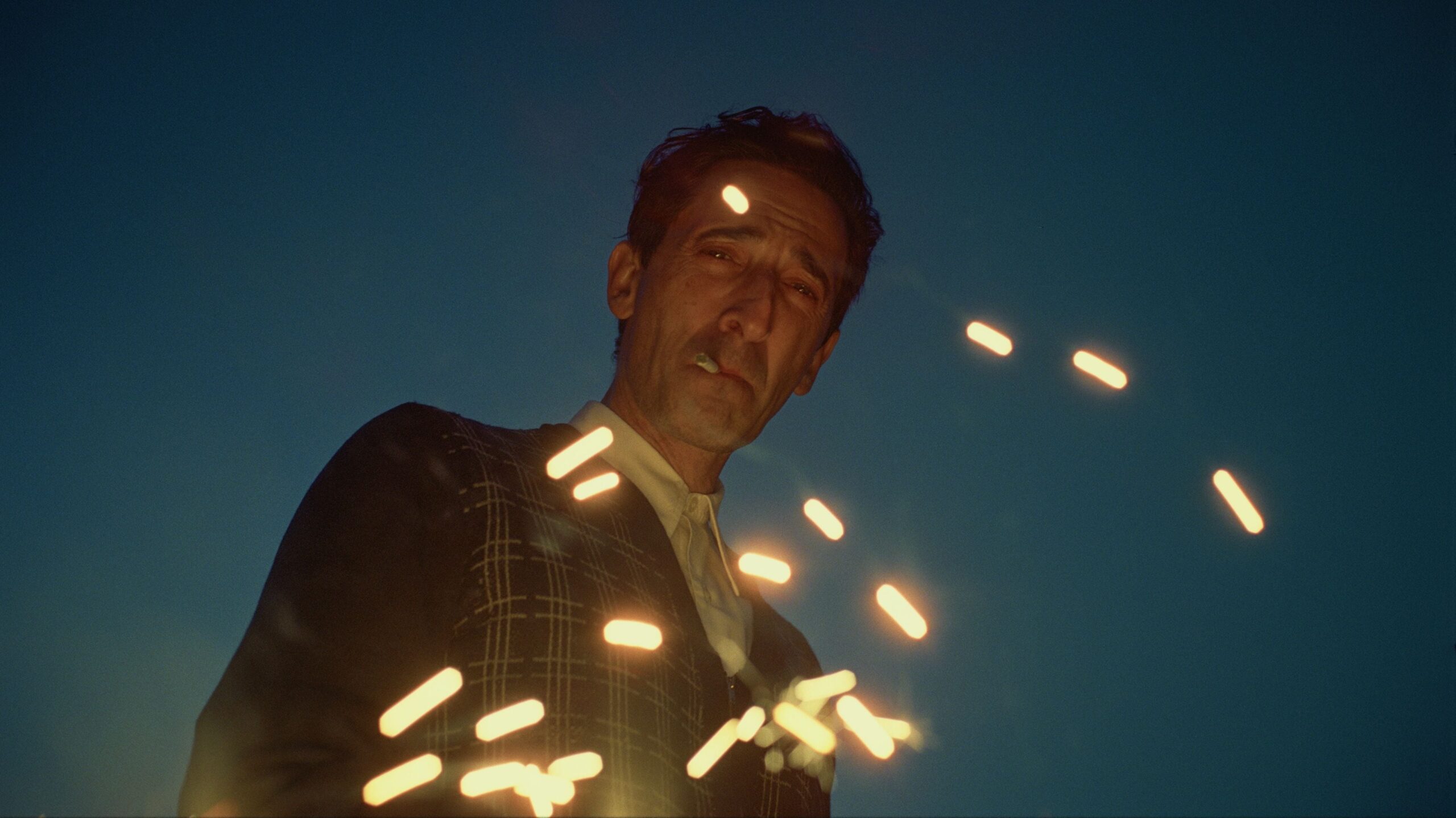
Best Picture:Anora. It’s got the momentum and has won several precursor awards, and it will probably due well in the instant runoff voting system (and its probably one of the better of the nominees, even if it isn’t especially my thing). Conclave has enough buzz that it could potentially pull off an upset, but I think it’s really lost momentum. Similarly, The Brutalist had buzz at some point, but it’s probably dampened by the AI controversy and the actual length of the movie (I wonder how many voters actually watched the whole thing?)
Best Director: Sean Baker for Anora. I think we’re back to matching Best Picture and Best Director again, though there’s an off chance that Brady Corbet will pull off an upset.
Best Actress: Demi Moore for The Substance. If Anora is truly having a great night, it’s possible that Mikey Madison could spoil here, and that could certainly happen. Moore has enough history that I think she’ll take home the statue, but I would not be surprised if Madison takes it.
Best Actor: Adrien Brody for The Brutalist. But it could very easily go to Timothee Chalamet for A Complete Unknown. The Oscars love a music biopic, and Timothee is a rising star. Plus, Brody has the AI accent thing (which probably shouldn’t matter, but might make the difference).
Best Supporting Actress: Zoe Saldana for Emilia Pérez. This one feels like a lock, and maybe the one place that the Academy can award Emilia Pérez without ruffling too many feathers.
Best Supporting Actor: Kieran Culkin for A Real Pain. Another near lock.
Best Original Screenplay:Anora. It’s looking like a real Anora sorta night.
Best Adapted Screenplay:Conclave. I think a lot of voters will try to reward it here rather than in Best Picture.
Best Cinematography:The Brutalist. I would love to see Nosferatu get some love here, but I’m guessing there’s more goodwill towards The Brutalist overall that will spill over into an award like this.
Best Makeup and Hairstyling:The Substance. It’s so funny that this movie is even nominated for awards, honestly.
Best Animated Feature: The Wild Robot. This one is a crapshoot. It could easily go to Flow, though that might be a bit too abstract for the Academy. And I suppose you should never count Pixar out for this award, even if Inside Out 2 doesn’t really have any momentum at all. I’m going with the most conventional choice and it’s worth noting that Chris Sanders is a well respected guy in the industry, and that may sway voters.
Best Documentary:No Other Land. I guess this has the buzz and is likely to be the most politically charged moment of the night.
Best International Feature:I’m Still Here. It’s on the Best Picture ballot, so I’m guessing it’ll gain more traction here.
Best Original Song: El Mal from Emilia Pérez. I have no idea.
For some reason, these are the only awards that I choose. And I’ve been doing it this way for decades, so I’m not changing now. Anywho, if you’re a weirdo and want to plumb the depths of the Kaedrin archives for old Oscars commentary (if you go far back enough, you can even read what used to be called “liveblogging” of the event, which is what we did before Twitter), all my previous entries are here: [2024 | 2023 | 2022 | 2019 | 2018 | 2017 | 2016 | 2015 | 2014 | 2013 | 2012 | 2011 | 2010 | 2009 | 2008 | 2007 | 2006 | 2005 | 2004] (I took a couple of years off there for various reasons). If you are watching and on Twitter and/or Bluesky, I’m @mciocco (and when the musical performances start, I’ll be posting alcohol @kaedrinbeer on Twitter). I don’t usually post much, but I’ll be around, retweeting and obsessively reading Film twitter’s commentary/jokes. I will also post the dumb “who should host the Oscars” poll, like I did last year… but we all know that Monstro Elisasue will win, right?
We conclude Kaedrin Movie Awards season with a traditional top 10 list of my favorite movies of 2024, only two months (or so) late! This marks the nineteenth year in a row that I’ve posted a top 10. For reference, previous top 10s are here: [2023 | 2022 | 2021 | 2020 | 2019 | 2018 | 2017 | 2016 | 2015 | 2014 | 2013 | 2012 | 2011 | 2010 | 2009 | 2008 | 2007 | 2006]
It’s customary at this point to discuss themes of the year in film, usually a fraught exercise even in the best of times, but especially weird in the past few years. After the pandemic, we experienced a kinda/sorta return to normalcy in 2023, only for half the industry to go on an extended strike (for eminently understandable reasons!) that no doubt put the breaks on many planned 2024 projects. As a result, we’re left with a pretty strange year. Several of the trends from last year have continued. For instance superhero movies continued their decline, with only one success story (Deadpool & Wolverine) and a disastrous trio of Sony Spider movies (Venom: The Last Dance did marginally well, I guess). The real test for Superheroes comes in 2025 though. Marvel returns with several core movies, and DC’s freshly minted universe kicks off. Time will tell how well this goes.
The trend of half-movies also continues with a few prominent examples (Dune: Part Two, Wicked, and heck, Horizon: An American Saga – Chapter 1 is only one quarter of a movie) and the next few years will likely see the latter half of several movies started in 2023 and 2024. It’s not a trend I’m particularly fond of (though I certainly enjoyed some of them), and I hope it’s something that lessens over time. Related to this trend is the general reliance on sequels, reboots, and pre-existing IP. I guess it makes sense in a tight year to fall back on what “works”, but there was a genuine surge of somewhat original work in 2023 that’s disheartening to see fall by the wayside. This could be a result of the strikes, but prominent 2025 releases don’t strike me as especially original either.
It’s tempting to call this a dire year for movies, but there’s always bright spots if you know where to look (which, unfortunately, includes the ranks of half-movie sequels and remakes). Still, in putting together the top 10, nearly all of them felt like they should really be ranked in that 5-10 range, rather that at the top. Lots of movies that were made with great talent and skill this year just didn’t connect with me on a personal level. I can appreciate such movies and certainly understand why others praise them, and there’s always some of this, but this year seems to have way more than normal (to name a few movies that are incredibly well made but definitively not my thing: The Brutalist, Anora, and Challengers). Again, I could probably chalk that up to the writer/actor strike hiccup, but who knows?
As of this writing, this top 10 list is pulling from a total of 128 movies I’ve seen that could be considered a 2024 release. This is less than your usual critic, but probably more than your typical moviegoer. Standard disclaimers apply, and it’s always worth noting that due to release schedules (especially in these plague years), some movies from 2023 that didn’t become available until 2024 qualify for this list (and this year, a 2022 movie actually qualifies due to these vagaries of release scheduling). Alrighty then, I think we’ve covered all our bases, so let’s get to the feature presentation:
Top 10 Movies of 2024
* In roughly reverse order
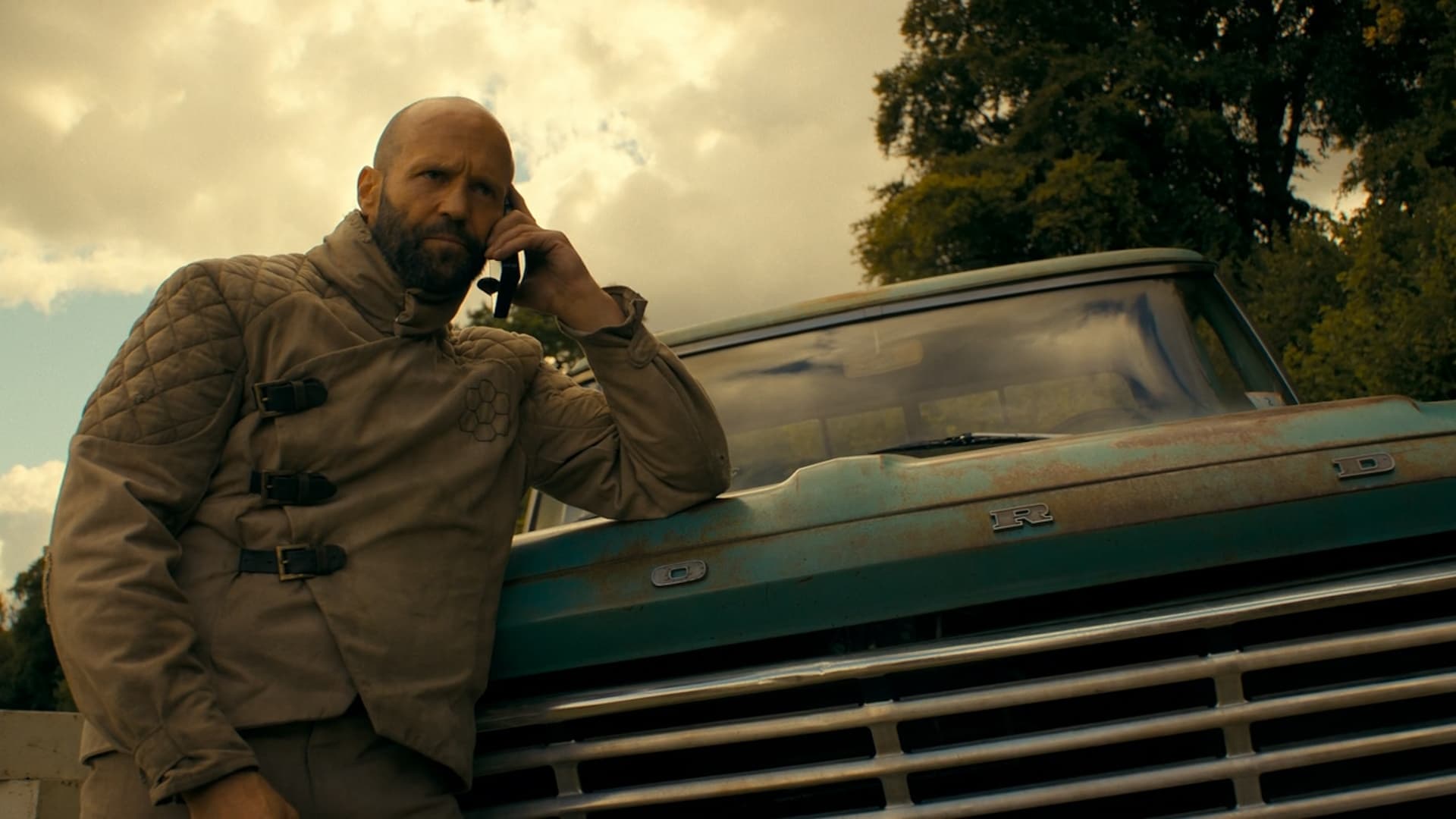
The Beekeeper – Jason Statham once again fulfills his obligations under the “Everyone Gets a John Wick” act of 2014. Instead of avenging a dead puppy, he’s using bee metaphors (read: puns) to justify taking down robocall phishing operations and crytpo scams, a worthy enemy if there ever was one (and without spoiling anything, it traces these grifts to an origin that is absurd in the best way possible). Look, it’s not exactly high art and on another day, it’d be interchangeable with several of the Honorable Mentions below, but it’s got a unique charm to it that I thought was worth recognizing.
Hit Man – In another year, a movie might not make it this high on the list based almost solely on the strength of a single scene involving the iPhone Notes app, but that sequence is one of the most impressive things put on screen all year. The rest of the movie hinges on some rather dark comedy and a moral ambiguity that verges on distressing, but I think that’s the point. That rather uncomfortable aspect of the movie could easily rub you the wrong way, but it’s all packaged up into a glossy, amiable affair with appealing performances from folks like Glen Powell and Adria Arjona. It’s a difficult balancing act, but Richard Linklater is one of the few who can manage such a thing.
Orion and the Dark – Charlie Kaufman wrote this animated children’s movie and somehow managed to perfectly weave his personal neuroses into the plot in a way that doesn’t look down on children or rely on rote needle drops, but nonetheless presents thematic heft without pretension. It’s cute as hell, but still poignant and much more of a Kaufman movie than you’d expect. There are monologues on the inevitability of death (“What if life is a cosmic accident?”), a personification of Sleep that chloroforms people, a Werner Herzog narration cameo, and plenty of self-aware meta-commentary on animated kids movies. But since it was released (with little-to-no fanfare) on Netflix, no one has even heard of this thing. You should probably rectify that.
Dune: Part Two – Despite my distaste for Hollywood’s trend of releasing “half-a-movie” at a time, both of these half-Dunes make their respective top 10s due to a technicality (the first due to a pandemic-strangled release year, and this one due to the writer/actor strike’s impact). Still, as half-movies go, these are among the best, this one actually completes the story, and given the complexity of the source material, it’s an understandable approach.
Director Denis Villeneuve does an admirable job adapting and visualizing the story, it’s gorgeous to look at, and even Timothée Chalamet managed to impress me this time around.
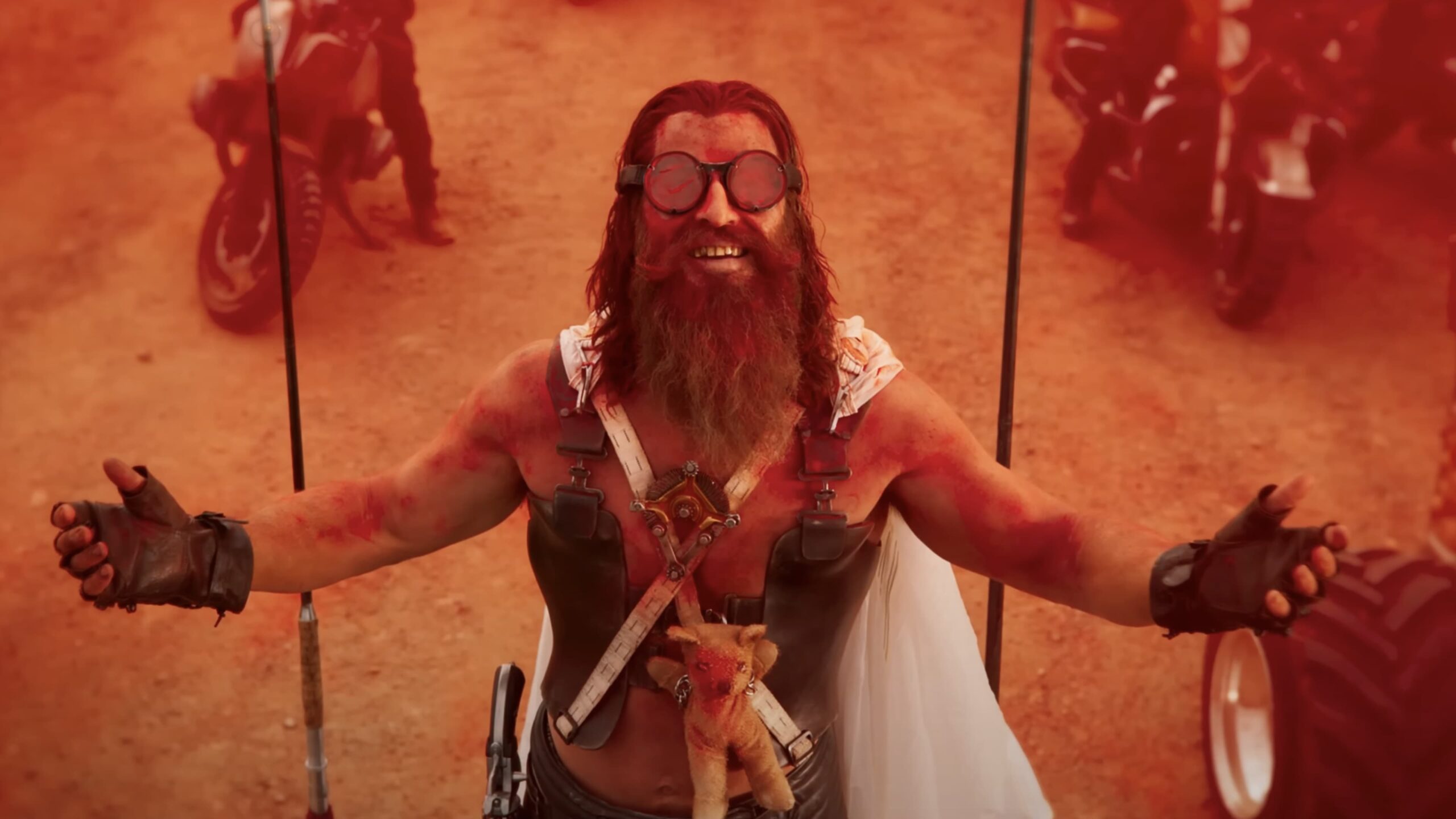
Furiosa: A Mad Max Saga – Being a prequel to one of the all-time great action movies probably sets an unreasonably high bar, but George Miller somehow managed to craft something that has just enough similarities (including at least one exceptional action set-piece) while still carving out an identity of its own in a surprisingly satisfying way. Anya Taylor-Joy and Chris Hemsworth slot right into the action and universe well, and while it might not quite reach the dizzying heights of Fury Road, it certainly achieves enough all on its own.
The Promised Land – Danish period drama about a retired Army Captain who attempts to earn a Royal title by… growing some potatoes in an unhospitable land, all welded into the structure of an American Western.
Exceptional performances from Mads Mikkelsen, Amanda Collin, and Simon Bennebjerg support the story of determination and resilience, found family and redemptive love, and much more. Worth seeking out!
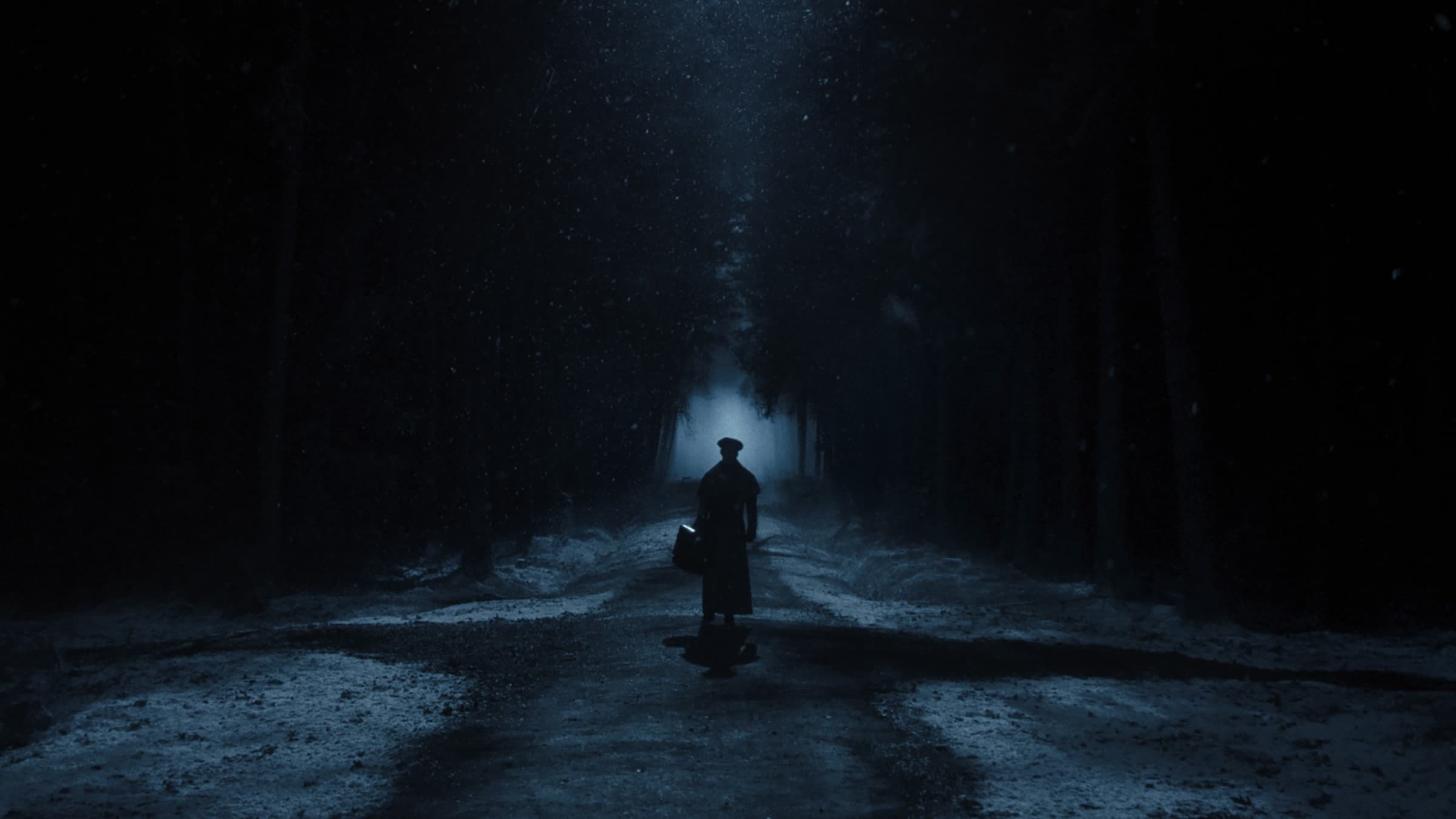
Nosferatu – Robert Eggers’ meticulous craft applied to a close remake of a silent classic (with nods to the other remake from the 1970s, not to mention the source material) hits all the expected gothic notes, and the verisimilitude of the production immerses you into another world in which the supernatural evil at the heart of the story feels real and immediate.
Eggers heavily leverages visual motifs of thresholds (doors, arches, general architectural features , even the production design of the beds…) to emphasize the myriad choices made by characters as they continually make difficult decisions in a way that previous iterations of this story haven’t stressed. The ultimate tragic sacrifice of the ending is thus more integrated with the rest of the narrative. The biggest flaw of this movie is that Eggers is covering some of the same ground as his earlier The VVitch, which is probably a better movie. But in an awkward year, this certainly works well enough.
Hundreds of Beavers – This movie is about as close to a live-action Looney Tunes cartoon as you could possibly get; an inventive, Raimiesque diy extravaganza (complete with the way Raimi can balance a slightly darker tone with silly slapstick), it’s the sort of thing that reminds you of lots of other things… but which carves out an identity of its own, such that you really can’t think of anything else quite like it (with the notable exception of writer/director Mike Cheslik’s previous film).
Red Rooms – French Canadian courtroom drama about a serial killer trial that hinges on the way that too-online social media users have their perspectives warped and radicalized. It’s a theme that is well examined, from multiple angles, and which is quite relevant in our current moment. I can’t think of a movie that I saw this year that was so immediately reinforced by logging onto Twitter and seeing something horrible. Of course, it works as a narrative in itself, complete with excellent performances, good writing, and well calibrated direction, so it’s not just personal exhaustion at the social media landscape driving this high placement on the list.
Civil War – Writer/director Alex Garland stubbornly refuses to indulge in the obvious political conflicts that I suspect most detractors were hoping for, keeping the story deliberately vague in the best way possible. This movie has more subtle goals in mind, though it certainly nails some of its targets, particularly the photo-journalists at the center of the narrative.
If taken more symbolically, it says interesting things about the motives of artists and indeed, the critics of the film are usually missing the point completely (in a way that the movie itself predicts).
Awarded to films that exist only in a quantum superposition of two or more states. If you’re not sure what that means, that’s kinda the point. To confuse matters even further, the “two or more states” tends to also change from year to year. One year, this was awarded to four movies that could have been #10 on the top 10. Other years have been about movies that I go back and forth on and can decide whether I like them or not, even if I recognized the skill and craft on display. Or “movies” that were too long or too short to really fit the definition of a movie.
This year, we have three movies that I saw after putting this post together (indeed, all three are on my “Should Have Seen” list below). Just absolutely poor timing and luck on my part. In another universe, I watched these earlier, and they may or may not have made the top 10. In yet another universe, I fiddled with the list above to make room for some of these, or maybe not. The only way to confirm will be if I can get this quantum computer in my basement to spit out the results before the catastrophic decay that plagues quantum computing sets in. Um, anyway, barring that unlikely occurrence, let’s just talk about three more good movies:
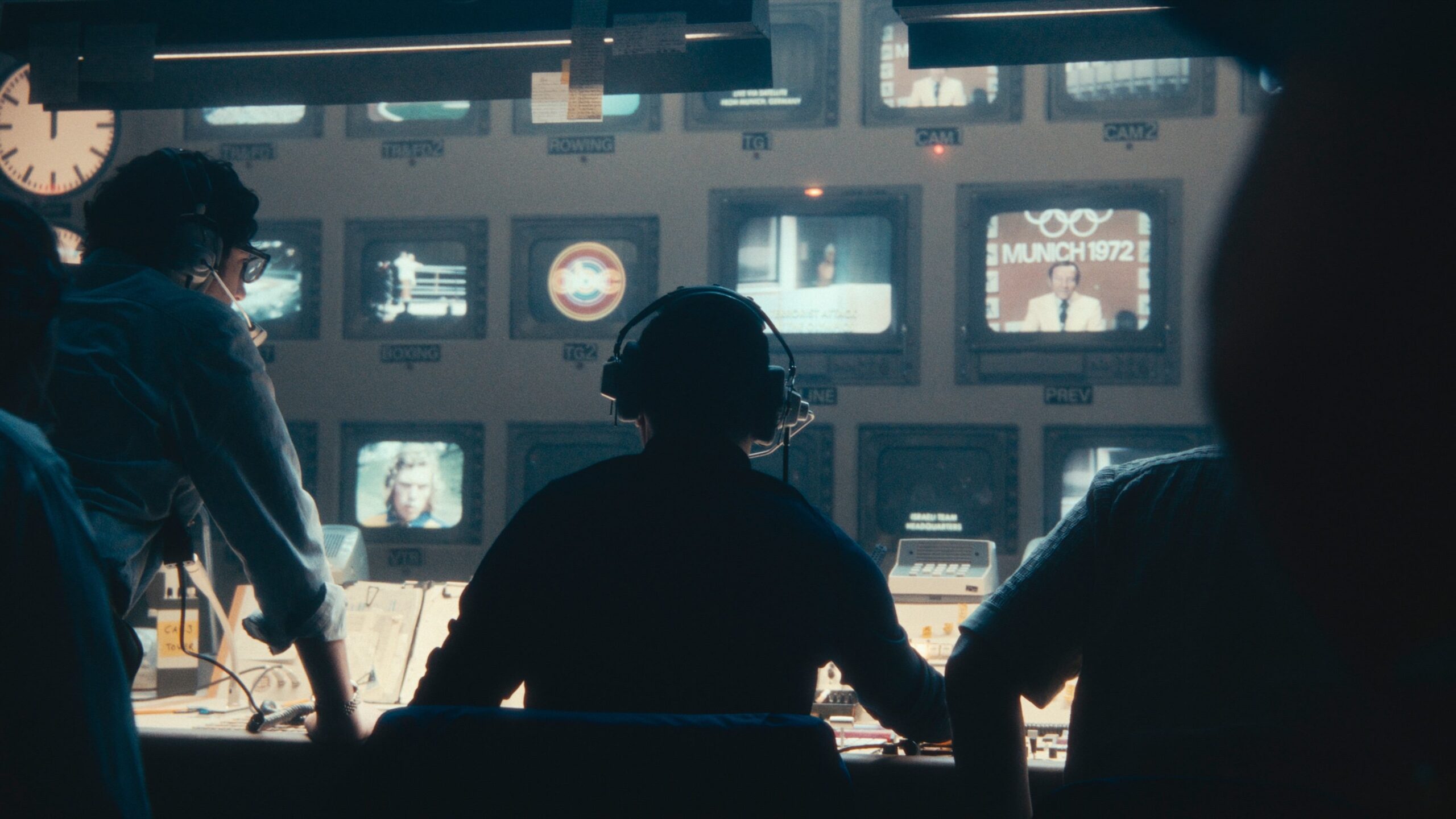
September 5 – Tells the story of the 1972 Munich Olympics hostage crisis… entirely from the perspective of the ABC newsroom. A bold but oddly appropriate choice to leverage a journalism procedural to tell such a harrowing story. It’s perfectly executed, and really gets you to consider some of the seemingly mundane choices people had to make that day, that were anything but mundane.
It’s also a depiction of a form of prestige journalism that seems lacking in modern times (not that they get every choice right or perfect, but they’re at least trying). If I saw this earlier, it would almost certainly have made the top 5, honestly.
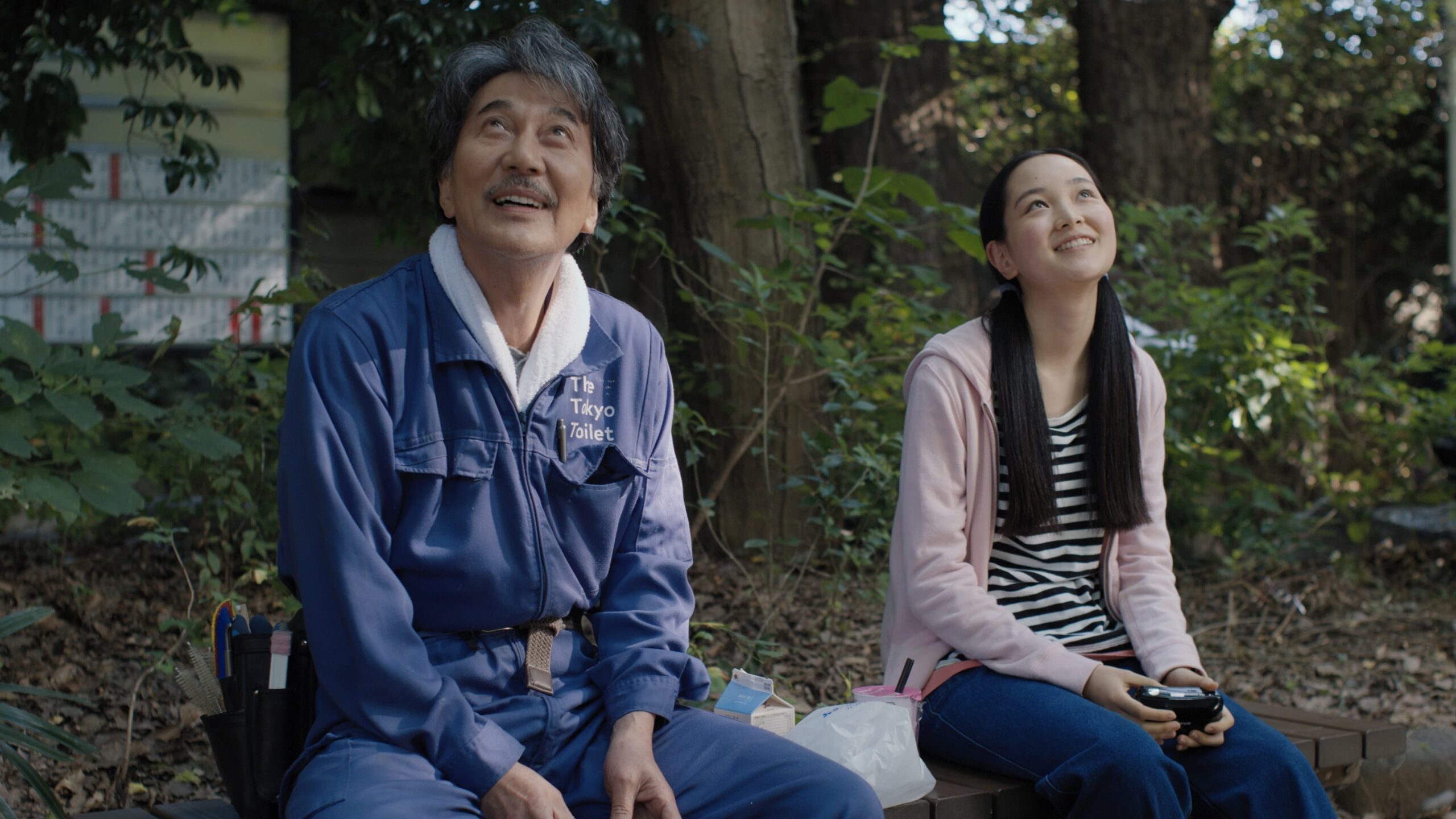
Perfect Days – What a charming, beguiling slice of life. Deliberately paced, elegiac, and usually the sort of thing I don’t connect with at all, but I somehow got on its wavelength immediately.
I mentioned above that there were a lot of movies this year that were very well made but definitively not my thing. Any way you could describe Perfect Days would make it seem like I’d hate it. And yet I don’t, and indeed, I kinda love it. That Wim Wenders fella knows what he’s doing, I guess.
Flow – It’s kinda like if a cat were playing the video game Myst. Or Ico. Or Shadow of the Colossus. Gorgeous animation that follows a cat on a journey of survival with a group of other misfit animals fleeing the effects of a flood.
Not sure this would actually crack the top 10, but it’s a unique and, again, visually stunning movie that I’m glad I caught up with after I put this list together.
Azrael – A mostly dialogue-free high-concept horror flick anchored by yet another blood-soaked performance by Samara Weaving, who still manages to accomplish a lot with her simple but effective use of facial expressions and physicality.
The straightforward approach will undoubtedly turn some people off, but I was quite taken with this movie.
Caddo Lake – One of those timey-wimey mind-benders that is probably best experienced while knowing as little about it as possible, it’s far from the best example of this sort of thing, but it’s always fun to see the puzzle pieces fall into place. The family drama that surrounds the high concept aspects of the movie is probably less interesting, but works fine. Worth checking out!
The Fall Guy – One of the more fun times at the theater this year, it’s a shame this didn’t catch on more. I appreciate the emphasis on actual stunts (which some might find a little staid when compared to more artificial action spectacles, but I think there’s something ineffable about actual stunts that is perhaps unconsciously discernable and worth rewarding), and Ryan Gosling and Emily Blunt have great chemistry (if only the plot let them spend more time together!) Absolutely worth checking out, which judging by box office returns, most of you didn’t do…
First Time Caller – The most obscure movie on this list, but well worth seeking out. Another movie that probably benefits from not knowing much about it going in, but I feel I should make two important notes: 1. This is a movie primarily set in one location, an “edgy” internet podcaster/broadcaster’s home studio and 2. Don’t let the “edgy” part of the guy’s schtick get to you. Once the story proper kicks in, that won’t matter much.
In a Violent Nature – The slasher movie is one of the most formulaic sub-genres out there, and yet here we are with an entry that actually does something new and innovative with the concept.
It’s certainly not for everyone, and many of the criticisms are valid, but I genuinely appreciated the attempt (which I think is still mostly successful).
It’s What’s Inside – Intricate body-swapping science fiction story hampered by obnoxious characters. Still, they put the outlandish premise through its paces, developing multiple effective conundrums with plenty of twists and turns. Yet another solid movie that is currently languishing in the black hole of Netflix archives. Worth rescuing from those depths!
Look Back – Svelte anime that packs an emotional wallop, surrounded by a tale of friendship and creativity. It’s only 58 minutes long, but don’t let that fool you, this one will hit you hard.
Juror #2 – Clint Eastwood’s swan song is certainly a worthy effort, though I think I can see why Warner Brothers neutered the release. Don’t get me wrong, I would much rather have seen this tense courtroom drama in a theater, but it’s not exactly a crowd-pleaser. I won’t spoil anything and the premise itself is something of a spoiler, so I’ll just note that there are plenty of twists and turns all sold well by excellent performances from a large ensemble cast. It’s a meditation on guilt that leaves things in an uncomfortable place, which is certainly the point, though again, not exactly crowd-pleasing. Very nearly made the top 10 and on another day, it might have!
Land of Bad – Well executed, slightly jingoistic action programmer that should be a staple of Hollywood’s release schedule, but has become somewhat rare. It’s not innovative (though it has a clever bit of drone photography used to depict… a military drone missile), but it makes the most of its budget, looks great, and has plenty of action filled thrills. It barely got a release, but should garner a following on streaming…
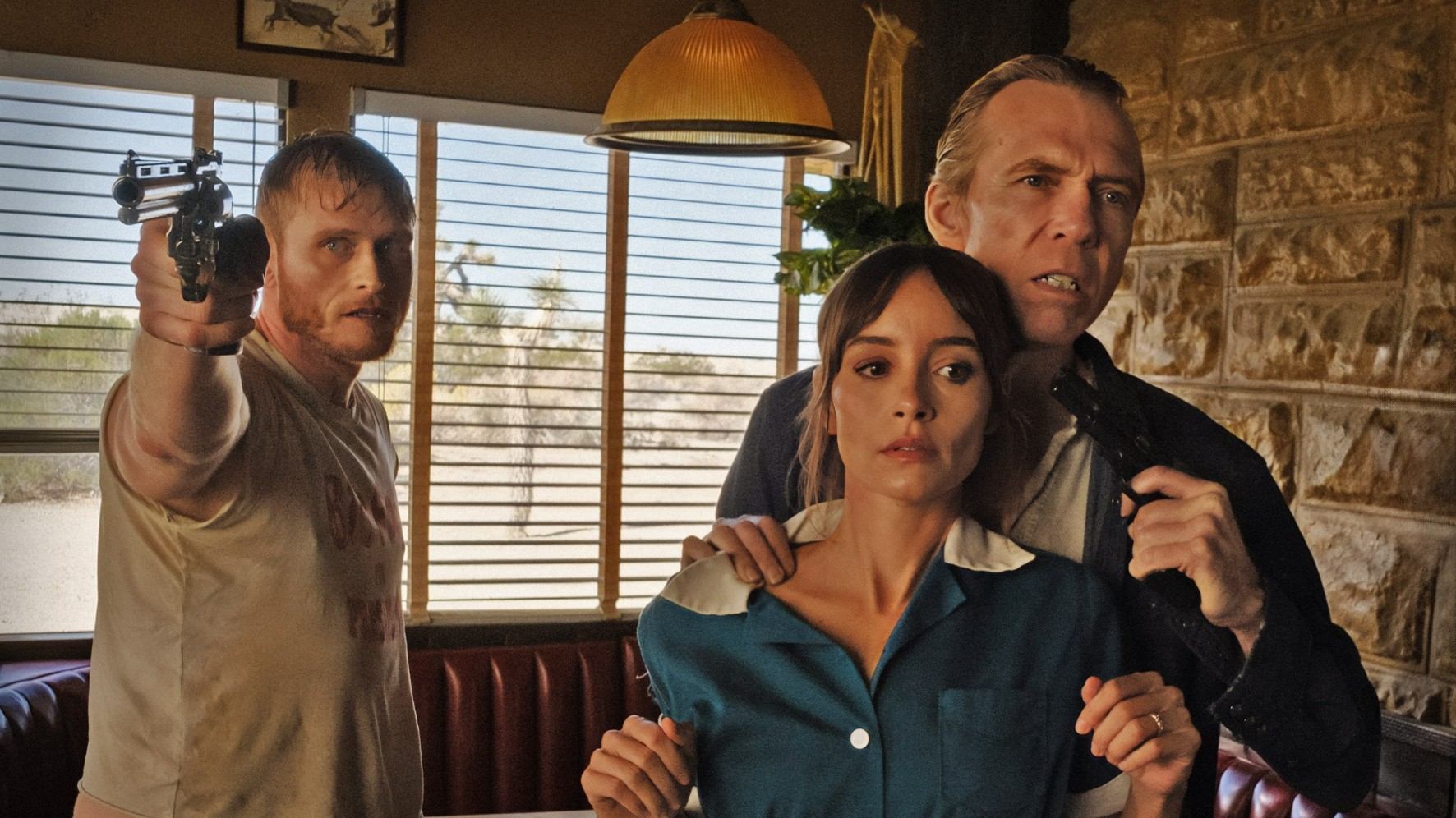
The Last Stop in Yuma County – Indie thriller that clearly takes its cues from a certain strand of Tarantino’s work, plopping a bunch of disparate characters together in an almost claustrophobic space, then using dialogue to ratchet up the tension to nearly unbearable levels before exploding into actual violence and mayhem. It’s not quite as punchy as Tarantino’s best examples of this sort of thing, but writer/director Francis Galluppi does pretty well (especially when considering that this is his feature debut).
Rebel Ridge – Jeremy Saulnier built this deliberate thriller around the concept of… civil asset forfeiture? It’s remarkable how effective that choice is, immediately establishing character sympathies (and detestable villains). Great, star-making lead performance from Aaron Pierre, but a bit too long (especially in the middle), even if it does stick the landing. Another one that narrowly missed out on a top 10 slot.
The Shadow Strays – Timo Tjahjanto’s action chops are well established by this point, and this movie hits that same relentless, bloodthirsty note that makes his movies so distinctive. The story isn’t particularly special, it’s also a bit too long, and the blatant sequel setup does diminish the impact of the ending, but I’m actually looking forward to that sequel, which is something of an achievement. Look, action packed mayhem of the sort Tjahjanto specializes in goes a long way in my book, so this is a sorta perfect honorable mention flick.
The Substance – Coralie Fargeat’s primal scream about Hollywood’s tendency to chew up youth and dehumanize aging stars is quite blunt on its surface levels, but if you dig deeper, there’s lots to explore around addiction and self-destructive empowerment and hedonism. An excellent trio of performances from Demi Moore, Margaret Qualley, and Dennis Quaid, all cemented by a heaping helping of grotesque body horror. There are some length and pacing issues and Fargeat repeats things too often (seemingly distrusting the audience to get what is blindingly obvious), but it’s hard to fault this movie for its ambitions and the last half hour is a real corker.
Trap – M. Night Shyamalan’s bozo masterpiece about a serial killer trapped at a pop star concert is so ludicrous that I couldn’t help but have a blast. It’s breathtakingly absurd, but Josh Hartnett sells it surprisingly well, and while it doesn’t exactly make a ton of sense, it’s so fun that it doesn’t really matter.
Wallace & Gromit: Vengeance Most Fowl – The triumphant, vengeful return of the silent, villainous Feathers McGraw is, of course, hilarious and charming and this movie could probably fit into the animation slot in the top 10, but I think I prefer Wallace & Gromit in their 30 minute format (the obvious example being Feathers’ first appearance in The Wrong Trousers, a genuine classic.) Still, Feathers doing chin-ups in jail is one of the funniest things I saw all year, it’s always enjoyable to visit with Wallace & Gromit, and of course Gromit is a very good doggy.
Despite having watched over a hundred and twenty five movies released in 2024, there are plenty that I probably should have caught up with. Sometimes they weren’t readily available, sometimes I couldn’t muster up the will to get to the theater, sometimes I just didn’t wanna watch (because reasons, that’s why). I will almost certainly end up seeing some of these and loving them, which is why the Kaedrin Movie Awards always has a category about the previous year’s movie…
That just about covers it for the top 10 movies of 2024 and Kaedrin Movie Awards season in general. The only thing that remains is Oscar speculations, which are coming up quickly (posted this top 10 just under the wire!)… Stay tuned!
The 2024 Kaedrin Movie Awards Winners were announced last week, which means that it’s time for more… arbitrary considerations. The idea is to recognize aspects of films that aren’t reflected in more traditional awards or other praise like a Top 10 list. However, any consistent, formal awards system will fail to capture all the nuances and complexity available; hence the 2024 Arbitrary Awards, an opportunity to commend movies that are weird or flawed in ways that don’t conform to normal standards. A few of these “awards” have become an annual tradition, some were stolen from other folks, but most are just, well, arbitrary. Previous Arbitrary Awards: [2023 | 2022 | 2021 | 2020 | 2019 | 2018 | 2017 | 2016 | 2015 | 2014 | 2013 | 2012 | 2011 | 2010 | 2009 | 2008 | 2007 | 2006]
The “You know what happens when a toad gets struck by lightning? The same thing that happens to everything else” Award for Worst Dialogue:Madame Web. The most infamous line, “He was in the Amazon with my mom when she was researching spiders right before she died” is kinda perfect, and Dakota Johnson’s delivery just nails it. Plenty of other bad dialogue, including this banger “When you take on the responsibility, great power will come.” It’s hilarious how many Spider (and Spider-adjacent) movies have tried to do a spin on “With great power comes great responsibility” but botch it so thoroughly. Anywho, I somehow managed to avoid a lot of the more famously bad dialogue of the year (for example, the other Sony Spider-adjacent movie Kraven the Hunter). One that I did see that I’m a bit torn on is Megalopolis, which has plenty of bad lines, but at least the actors are really going for it (most of what comes out of Adam Driver’s mouth would not work at all coming from another actor). Also, it feels a little like cheating to talk about stuff like Hot Frosty for an award like this, even though it is eminently qualified. So we’ll just stick with Madame Web here. Dialogue that’s so bad it almost rebounds into good.
The Proximity to Jason Voorhees Award for Heroic Stupidity:Alien: Romulus. So much stupid in this movie, and indeed, some of the callbacks to previous films are absolutely hideous (the worst of which, a play on the “Get away from her, you bitch” line, could easily qualify for the previous worst dialogue award).
The Garth Marenghi “I know writers who use subtext, and they’re all cowards” Award for Achievement in Didacticism:The Brutalist. The first half of the movie is actually a pretty good exploration of post-war Jewish assimilation mixed with a mostly subtle portrayal of the conflict between art and commerce. The second half of the film surfaces all of the subtext and ends with a literal lecture, didactically explaining what happened in the movie.
Making the subtext into text isn’t necessarily the worst thing in the world, and this movie has plenty of ardent fans, but I found it to be a bit of an eye rolling experience. It’s far from the worst recipient of this semi-regular arbitrary award, but it’s still a worthy recipient.
Spoilerific Twin Movie Phenomenon of the Year: I suppose even mentioning this is a spoiler, but both Lowlifes and Get Away rely on the exact same twist. It’s a fine twist, but I will admit that the second one I watched fell a bit short simply because I’d already seen something like it (though I did chuckle a bit at the unexpected coincidence).
Least Cathartic Documentary of the Year:Brats. What a bizarre movie. Director Andrew McCarthy was a tertiary member of what became known as the Brat Pack, a group of young stars in the 1980s who struggled somewhat with the label. Or, at least, McCarthy did, and clearly still does, blaming it for much of his career woes. Here, he goes around interviewing other members of the Brat pack, most of whom actively question the premise of the movie right to his face and absolutely refuse to provide McCarthy with any sense of the catharsis he so clearly seeks. It’s like McCarthy discovered a new form of Cringe.
The Quentin Tarantino Pressure Cooker Award:The Last Stop in Yuma County. Tarantino will do this thing where he collects a bunch of characters into an almost claustrophobic space, then uses dialogue to ratchet the tension up and up until the scene explodes into a usually violent climax. Sometimes he’ll center the entire movie on this sort of thing (a la Reservoir Dogs or The Hateful Eight), sometimes it’s just a sequence in a larger narrative (most notably with Inglourious Basterds, but he does it in several others as well).
Lots of folks have tried imitating this sort of thing, but few are as successful as The Last Stop in Yuma County, which is excellent (perhaps not as punchy as Tarantino, but still) and well worth seeking out. I’d say that Francis Galluppi is a writer/director to look out for, but his next film appears to be an “Untitled Evil Dead Project” which is something I could not be less interested in, so here’s to hoping he gets to make something of his own again soon.
Most Underseen Romantic Comedy:Fly Me to the Moon. I’m a sucker for anything set during the space race, and this movie is cute, but judging from the box office, no one saw it. Worth a watch!
Achievement in the Field of Gratuitous Violence: Terrifier 3. Say what you will about these movies, but they certainly contain copious amounts of gnarly, gratuitous violence.
The “Futurama” Award for Best Science Fiction Comedy:Molli and Max in the Future. It’s basically a live-action Futurama movie with lots of goofy SF-based concepts and plenty of laughs. It shades a bit too topical (it’s sometimes hard to predict what will feel dated in the future, but I feel like this is a movie that is just very 2024).
Best YouTube Release:The Spectacular Failure of the Star Wars Hotel. It’s a four hour long video about Jenny Nicholson’s visit to the now-defunct Star Wars Hotel that is somehow riveting. And it perfectly illustrates why the Star Wars Hotel failed so spectacularly. Whatever you may think of Nicholson, she was 100% onboard with the idea of the theme hotel. This isn’t cynical, bad faith criticism. She loves theme parks, she clearly went into this hoping to engage with the concept, but the hotel experience thwarts her at every turn. It’s not exactly cinema in any real sense, but it perfectly encapsulates the sort of thing YouTube is for.
Just Missed the Cutoff for the Formal Awards: Even though the awards started a few weeks ago, I’ve still been watching movies since the original nominees came out, and some of them were pretty good! Good enough to be nominees, though probably not winners. So take a bow, Exhuma and Oddity (Best Horror), What You Wish For (Best Twist, maybe Best High Concept or Best Horror too), and Here (Best High Concept). All worth watching!
Should Host the Oscars: Monstro Elisasue from The Substance. I mean, it’s no New Year’s Eve hosting event, but I think it’ll do. The longlist: Wow Platinum from Megalopolis, the Octoboss from Furiosa: A Mad Max Saga, Abraxas from Late Night with the Devil, the sentient ravioli from Unfrosted, Longlegs from… Longlegs, Art the Clown from Terrifier 3, Count Orlok from Nosferatu, Moebius from Molli and Max in the Future, Gorcha, and the Vourdalak puppet from The Vourdalak. A solid list, but you really just have to give it to Monstro Elisasue. She was literally made for hosting events like this!
Congrats to all the 2024 Arbitrary Awards winners, stay tuned for moar 2024 movie news, including the traditional top 10 list (probably in a couple weeks) and the usual Oscar commentary.
The nominees for the 2024 Kaedrin Movie Awards were announced last week, and today we announce the award winners. The Oscars were also announced recently, and the discourse has produced the usual unhinged complaints about snubs and relatability and other bitter recriminations. As with many things, the Oscars has had a weird few years in this post-pandemic era. Hosting woes, The Slap™, and ever present controversy has taken a toll, but it’s still fun if you don’t take it too seriously. Speaking of which, it’s about time to get to my silly little awards. I realize this is happening about a month or two later than most publications’ year end roundups, but I’m not a critic with access to screeners and don’t attend every film festival, so I’m still catching up with a lot of 2024 movies. Anywho, that’s enough preamble, let’s get to the fireworks:
Best Villain/Badass: Dementus, played by Chris Hemsworth in Furiosa: A Mad Max Saga. Hemsworth’s weirdly articulate but incompetent hippy-esque wasteland villain is the type of character you love to hate, and he meets a suitably “epic” end (as he memorably asks).
Strong competition for this award from David Howard Thornton as Art the Clown in Terrifier 3, who has really refined the character over the past decade and does excellent work, even if this particular entry in the series is not as good as the previous (and if the ever-nebulous mythology driving the series has sorta implied a greater evil at work). Bill Skarsgård was also apparently up to the task of portraying another Horror icon in Nosferatu, to pretty good effect. To a lesser extent, I also thought Frederik de Schinkel (more like de Stinkel, amirite?), played by Simon Bennebjerg in The Promised Land was among the better hate-able villains of the year. Nicolas Cage’s Longlegs is certainly… memorable, and Josh Hartnett’s performance in Cooper in Trap almost makes you root for the guy. I described this as a moderate year for villainy, but narrowing the nominee shortlist down to an even shorter list and then settling on a winner was surprisingly challenging. Maybe it was a good year for villainy after all (certainly a much better year than last year).
Best Hero/Badass: Adam Clay, played by Jason Statham in The Beekeeper. Statham has been playing this sort of righteous action hero for decades at this point, and yet something about this particular take on his own persona somehow feels like the perfect distillation of the archetype that he’s spent a career honing.
Plenty of competition, including Chris Hemsworth’s heroic foe in Furiosa: A Mad Max Saga, played well by Anya Taylor Joy, as well as Hemsworth’s brother Liam in the underseen and underrated Land of Bad. Henry Cavill does admirable work in The Ministry of Ungentlemanly Warfare, but part of his badassery is smeared across his assembled team of badasses (I easily could have nominated Alan Ritchson from the same movie, for example). Dev Patel surprisingly established himself as an action hero in Monkey Man (it’s just a shame that the story for that movie is a bit of a mess). Lakshya Lalwani represents the Indian contingent (a growing demographic in these Hero/Villain awards in recent years) for his lead role in Kill. We’ll say more about Aaron Pierre in Rebel Ridge below, and Aurora Ribero does great work in Timo Tjahjanto’s The Shadow Strays. Solid year for heroism, with a long shortlist, but Statham is the pretty clear winner.
Best Comedic Performance: Glen Powell in Hit Man. Probably not a conventional choice here, but bear with me. I just keep thinking of the short scene where Powell is sorta in a Tilda Swinton getup and I can’t stop laughing at that (there’s probably a dozen similar moments in the movie as well). And it’s not like comedy is a thriving genre these days, though there were a few other notable performances. Ryland Brickson Cole Tews is probably the most interesting of all the nominees for his work in Hundreds of Beavers; a silent performance with lots of physical comedy, it’s certainly impressive and probably should be a co-winner or something, but this praise will be enough (and Hundreds of Beavers will get more love elsewhere). John Cena in Ricky Stanicky and Jerry Seinfeld in Unfrosted represent the direct-to-streaming contingent, and both are pretty strong (Cena and Stanicky being the more surprisingly strong effort). Cory Michael Smith in Saturday Night was fantastic, but a small part of the movie and his nomination represents one of the big challenges with this category, which is targeted towards singular performances, which makes things tricky because a lot of comedies rely on an ensemble. In the end, I really wanted to give Powell and Hit Man some love.
Breakthrough Performance: Aaron Pierre in Rebel Ridge. This should have been a real star-making performance, the undisputed arrival of a new mega-star, but it’s a Netflix movie so it’s largely disappeared into the ether. Still, it’s a fantastic performance and worth seeking out. Margaret Qualley was certainly busy in 2024, with Drive-Away Dolls, The Substance, and Kinds of Kindness, and she’s great in all of them (for different reasons too). David Jonsson was great in Alien: Romulus, but he’s hampered by two serious problems: 1. He’s saddled with one of the worst franchise callbacks in cinema history and while he tries his best, he can’t overcome the hideousness of the line (I don’t think anyone could, but it’s still jarring) and 2. I actually already nominated Jonsson last year for his work in Rye Lane and totally forgot about it (a distinct performance too)! Lily-Rose Depp certainly gives it her all in Nosferatu, and it’s a huge leap in quality from some of her previous work (largely due to quality of material, but still). Bren Foster has arrived on the DTV action scene with Life After Fighting and the fact that he’s also a director should help as well. In the end, this was Pierre’s year, and I’m really curious to see what he does next.
Most Visually Stunning: Nosferatu. Absolutely gorgeous movie. I complain a lot about modern horror movies’ tendency to rely on overly dark cinematography where you can barely see what’s on screen, but Robert Eggers perfectly balances the darkness on screen with contrast and focus in a way that is far more legible (and yes, visually stunning) than the movies I tend to complain about.
One of the interesting things about the way this category has evolved over time is that there is much less in the way of special effects spectacle, and much more in the way of simple but great photography. Indeed, I don’t think it’s an accident that a large proportion of the nominees are captured on photochemical film rather than pure digital (but not all! You can have good cinematography in digital!) I think both Dune: Part Two and Furiosa: A Mad Max Saga are worthy contenders (and, as you’ll see in the next two awards below, these three films are basically in the running for all three awards and are basically neck and neck in the standings – you could probably interchange these three films in these three awards).
Best Sci-Fi or Horror Film: Dune: Part Two. I’m not especially a fan of the way modern blockbusters have been split into two half-movies, but these Dune movies seem to be an exception. As mentioned above, this movie could easily have also taken Most Visually Stunning (the sequence on Giedi Prime is particularly striking) or the next award for best sequel, but I’m trying to spread the love. There actually is another nominee that I included in the nominations, but thought better of when it came time to give the award. I suppose Civil War is technically an alternate history (a sub-genre of science fiction) and it’s certainly speculative, but while it’s a fantastic movie, it’s probably not quite right for this award (don’t worry, it’ll show up on the top 10). Of course, Nosferatu and Furiosa are also interchangeable here. Otherwise, there’s a long list of nominees that are worth checking out, though several are not for everyone (i.e. some of the more experimental horror can be a bit grueling – in a good way if you like that sort of thing, but still).
Best Sequel/Reboot/Remake: Furiosa: A Mad Max Saga. It’s basically impossible to follow up Mad Max: Fury Road, but George Miller somehow managed to craft something that has just enough similarities (and at least one exceptional action set-piece) while still carving out an identity of its own in a surprisingly satisfying way. Everyone knows I’m not a huge fan of movies that generally fit this category, but this year was better than most (it probably helps that it was an overall weird year). The aforementioned Dune and Nosferatu are both eminently qualified here, and as already mentioned, are basically interchangeable. Special callout to The Fall Guy, which is just a boatload of fun that, if box office is to be believed, most of you didn’t see.
Biggest Disappointment: Argylle. I don’t really know why this disappointed me so, so much, but it’s just so bad and I really did have high hopes. It’s probably due to the talent involved, both in front of and behind the camera. Monkey Man is far from a bad movie, it’s actually pretty decent, but my expectations were probably just too high. I didn’t really know what to think of Megalopolis, but I love Coppola, admire the attempt, and wanted to see his gamble payoff… but it pretty emphatically didn’t. Thankfully the nominee list is relatively short… it could probably be longer, but it’s not a category I like to dwell on, so let’s not do that, eh?
Best Action Sequences: The Shadow Strays. Timo Tjahjanto’s action chops are well established by this point, and this movie hits that same relentless, bloodthirsty note that makes his movies so distinctive. Plenty of solid competition here as well. The Fall Guy gets credit for all the real stuntwork, Furiosa: A Mad Max Saga has one exceptional action set-piece that rivals its predecessor (which is really saying something), Land of Bad is underseen and underappreciated, and Kill represents a somewhat more grounded approach to Indian action than I’m used to… The DTV contingent also provides a healthy dose of action as well, with One More Shot and Life After Fighting taking top marks there. Finally, a quick shout out to John Woo’s The Killer, a remake that can’t really even begin to compete with the original, but is still worthwhile.
Best Plot Twist/Surprise: First Time Caller. Probably the most obscure 2024 movie that I’ve seen, but it’s well worth seeking out. As per usual, just knowing this movie qualifies for the category represents something of a spoiler, but I will give you two quick tidbits here: 1. This is a movie primarily set in one location, an “edgy” internet podcaster/broadcaster’s home studio and 2. Don’t let the “edgy” part of the guy’s schtick get to you. Once the story proper kicks in, that won’t matter much. I don’t want to say too much about the competition due to the spoilerific nature of the category, but I will say that Juror #2 has plenty of twists and turns spread throughout and Caddo Lake did a pretty good job pulling the rug out in that Science Fictional way that I’m always a sucker for…
Best High Concept Film: Hundreds of Beavers. This movie is basically a live action Looney Tunes cartoon, a Raimiesque diy extravaganza (complete with the way Raimi can balance a slightly darker tone with silly slapstick), it’s the sort of thing that reminds you of lots of other things… but which carves out an identity of its own, such that you really can’t think of anything else like it.
Plenty of other high concepts that were pretty neat this year. I’m always a sucker for the single take action flick like One More Shot. In a Violent Nature is certainly not for everyone, but it’s pretty rare to find a traditional slasher that actually does something new and innovative with the concept. The aforementioned First Time Caller deserves a bigger audience (it’s on Tubi, give it a shot!) The Last Stop in Yuma County harkens back to the post-Pulp Fiction 90s era of nonlinear storytelling. M. Night Shyamalan’s Trap has such a goofy premise that I can’t help but love it. Azrael‘s mostly dialogue-free approach is always an admirable strategy. A pretty good year for high concepts!
2024’s 2023 Movie of the Year: RoboDoc: The Creation of RoboCop. I did a pretty good job catching up with movies last year, so the pickens were somewhat slim for this award, and indeed, RoboDoc is one of those movies where you could debate whether or not it’s more of a TV show or something. Still, It’s a pretty great, exhaustive look at an amazing movie. Shout outs to The Channel, especially for fans of Heat imitations (seriously, it follows all the beats) and Sniper: G.R.I.T. – Global Response & Intelligence Team, which is an action film series that somehow managed to hit their stride only upon their, like, 8th entry in the series and is still going strong (another coming this year, and I’m actually quite looking forward to it).
Congratulations to all the 2024 Kaedrin Movie Award winners! And stay tuned, for next week, the awards get arbitrary!
Welcome to the 2024 Kaedrin Movie Awards season, which we’re kicking off with nominees in our standard categories! The idea is to recognize films for achievements that don’t always reflect well on top 10 lists or traditional awards. There are lots of formal award categories and nominees listed below, but once those are announced, we’ll also leave some room for Arbitrary Awards that are more goofy and freeform. Finally, we’ll post a traditional top 10 list (usually sometime in early/mid-February). But first up is the awards! [Previous Installments here: 2006 | 2007 | 2008 | 2009 | 2010 | 2011 | 2012 | 2013 | 2014 | 2015 | 2016 | 2017 | 2018 | 2019 | 2020 | 2021 | 2022 | 2023]
Standard disclaimers apply: It must be a 2024 movie (with the one caveat that some 2023 films were not accessible until 2024 and are thus eligible under fiat) and I obviously have to have seen the movie. As of this writing, I have seen 104 movies that could be considered a 2024 release. This is a little ahead of where I was last year, but there are still tons of films I want to catch up with. I’ve probably seen less movies that a lot of critics, but more than your typical moviegoer and certainly enough to populate the nominees. I think that’s enough preamble, let’s get to it:
Best Villain/Badass Another moderate year for villainy, though I will say that there are actually a few true standouts, and while the list isn’t as long as the Hero list below, it’s still filled with solid options. In accordance with tradition, my picks in this category are limited to individuals, not groups (i.e. no vampires or zombies as a general menace, etc…) or ideas. This exclusion also, um, includes inhuman monsters or creatures (sorry Godzilla, we’ll hit you up in the Arbitrary Awards). Sometimes there’s a fine line here and certain nominees might be borderline, but we’re all just going to have to learn to live with it.
Count Orlok, played by Bill Skarsgård in Nosferatu
Best Hero/Badass A pretty good year for heroism, certainly better than villainy, and the list grew quite long, such that there probably could be another 5-10 nominees, but I felt like I should probably narrow it down a little bit. I mean, these are my awards and there’s no rule limiting the number of nominees or anything, but still. Same disclaimers as the villains: limited to individuals and not groups/creatures.
Best Comedic Performance This is sometimes a difficult category to populate due to the prevalence of ensembles in comedy movies (this year being no exception). Also because the number of straight comedies being released has become quite low in recent years. Offsetting that is other genres that incorporate humor, which means some of these movies aren’t strictly comedies, but they might still have a solid comedic performance. Anywho, a few standouts this year for sure.
Breakthrough Performance This used to be a category more centered around my personal evaluation of a given actor (rather than a more general industry breakthrough), but it’s trended more towards the youngsters breaking through as time has gone on…
Best Sci-Fi or Horror Film It’s always nice to throw some love to genres that don’t normally get a lot of recognition in end-of-the-year lists. As an avid SF fan, it’s sad that the genre usually has to be combined with Horror in order to come up with a well rounded set of nominees in this category, but I feel like this year’s list is longer than usual, in part because there were a lot of options (not to mention a lot of overlap between the two genres).
Best Sequel/Reboot/Remake Always an awkward category to populate, especially given my normal feeling on this sort of thing (i.e. I’m not a huge fan of sequels), but this year wasn’t that hard.
Biggest Disappointment A category often dominated by sequels and reboots, but the occasional original film makes an appearance. Note that these movies don’t necessarily need to be “bad” in order to be a “disappointment”. Basically, these movies scored poorly on Joe Posnanski’s Plus-Minus Scale.
Best Action Sequences This award isn’t for individual action sequences, but rather an overall estimation of each film. As with the last few years, this category is pretty easy to populate. The added accessibility of streaming DTV actioners has been a boon to this category.
Best High Concept Film Always a bit of a nebulous concept for this category, but there’s some good stuff worth recognizing here because they took chances on a weird concept.
2024’s 2023 Movie of the Year This is a weird category that is sometimes difficult to populate. The idea centers around movies I never caught up with last year during the Kaedrin Awards season, but which are worthwhile in their own right.
So there you have it, please congratulate all of the 2024 Kaedrin Movie Awards nominees! Stay tuned for the winners (probably next week, but you never know), followed by the Arbitrary Awards and (eventually) the Top 10 list. I’m still catching up with a bunch of movies, as this has been a bit of a strange year, so there are a few high profile movies that might actually deserve nominations (maybe you’ll even see one of the winners be a movie that wasn’t nominated – not an unprecedented event!) Only time will tell.
Last week, we covered 2024 in book reading, so now it’s time to take a gander at the year in Movie Watching. Insert metaphor for why this time of the year is good for reflection on the preceding twelve months (look at that book reading post for one about solstices, daylight, etc…).
I keep track of all my movie watching on Letterboxd, so if you’re reading this and are a member, we should be friends there. One of the neat things I can get from there is fancy stats and graphs and whatnot, so let’s take a deeper dive into my 2024 in movie watching:
Overall Stats
A general look at my 2024 in movie watching:
380 movies watched (-8 movies from 2023)
687 hours watched (-6.9 hours from 2023)
31.7 movies a month on average (-0.6 movies from 2023)
7.3 movies a month on average (-0.1 movies from 2023)
Minor decreases from last year, but pretty similar on the whole, and it also dovetails nicely with pre-pandemic 2019 numbers. This makes a certain sorta sense, and while the numbers are down, they’re not down much, and sometimes this sort of thing can be explained by the way Letterboxd sometimes allows you to track TV series as one movie (which could explain why I’m down 8 movies from last year, but only down 6.9 hours from last year). Anywho, this sorta represents a plateau in movie watching that’s just a hair more than one movie a day on average.
Breaking the movies watched down by decade of release:
So I didn’t watch many really old movies, but there actually are some modest increases from the 20s through the 50s (the numbers are still quite low, such that it’s basically still on par with usual). The big change is a steep decline in 60s and 70s, with modest declines from the 80s through the 2010s. The biggest culprit appears to be a recency bias. The current year always distorts things a bit, but even then, there’s a big increase in movies made in the 2020s. Not sure what to chalk that up to (streaming slop?), but I’m anticipating more 70s movies this year.
Movies by week remains pretty consistent and assert a similar pattern to most years. A couple of lulls due to vacations, a spike towards the beginning of the year (catching up with the previous year’s releases in January), another spike around the 6 Weeks of Halloween, and so on. Days of the week remains relatively consistent as well, though there’s significantly less watching on Saturdays and Sundays than previous years. Nothing super special driving the patterns aside from general socializing (Tuesdays are also relatively low due to it being an RPG game night, not sure why Mondays are so low – must’ve had a chronic case of the Mondays, womp womp).
Genres, Languages, and Countries
As per usual, we see the dominance of USA and English language here. Definitely more USA centric this year, as I didn’t have anything like the 50 from 50 Project to increase international viewing (due to the rules I set for myself with that project, the graph still appeared very USA centric in 2023 – it might be interesting to do a deep dive on a single country to see if we can get one of those numbers/bars in the graph up to noticeable levels). UK was at 53 films in 2024 (compared to 29 in 2023), but I suspect a large portion of that is co-productions with USA (as, indeed, are a lot of the other countries’ entries). Japan makes its way back on the list, as does India (which I think is a first), displacing the likes of Mexico and Spain.
Some movements in the genres as well. After a brief stint at #2 last year, Horror has fallen back to #5 on the list (which is where it was in 2022). Action takes the crown from Thriller, but they’re both still at the top of the chart. The big surprise is Comedy jumping ahead of Drama (which is a pretty broad catchall genre and always in the top 5). A minor surprise is the appearance of Romance at the bottom of the list (displacing Documentary). I guess I went a little harder on the Hallmark-style Christmas movies this year. As usual, the notion of what qualifies as a Comedy or even a Romance can be a bit wonky (I mean, I chuckled a few times during Anora, but it’s otherwise a pretty heavy movie), but this still feels directionally correct.
I’ll include the Themes and Nanogenres, which are fun, but probably not as useful as just the regular Genre count. It’s basically just a way to further breakout the bigger genres, so most of these are just goofy ways of saying Horror or Action.
The map is certainly decent (the USA centric numbers above can be somewhat misleading), but nowhere near as full as last year (again, last year’s was significantly impacted by the 50 from 50 Project). There were actually a couple of countries on this year’s map that weren’t on last year’s map, notably Ireland and New Zealand (which, as Anglosphere countries, did not count towards 50 from 50), so I had that going for me. Co-Productions can make things like this map kinda misleading (i.e. watch one movie from Scandanavia and you’ll usually pick up at least a few of those countries, USA is often on the list, even for non-obvious choices, etc…)
Ratings and Other Patterns
21.3% of my watches were a 2024 release, a minor increase from last year (but a bit lower than 2022 numbers). Is that good? Or is it bad? I’d say 20%ish is a fine number to keep up with current releases, but who knows.
19.7% of my watches were actually rewatches of movies I’d seen before, significantly below the past few years and may even be a record in the Letterboxd era (I didn’t check every year, but I’m usually somewhere around 25% rewatches). I’d consider this a good thing! Rewatches mostly driven by my mild case of Physical Media and 4K collector’s disease (I wouldn’t call myself a true collector, but I will buy more 4Ks than I probably should).
Ratings Spread continues to be roughly bell-curve shaped and centered on a 3 star (out of 5) rating. I suppose a slight bias towards the higher end this year, though the actual 3 star rating is also higher than last year.
Letterboxd has a watchlist feature where you can add movies you want to watch (or at least, not lose track of). The general pattern for this sort of thing for me (and, as far as I can tell, for most users) is to see that Watchlist number continually rise… except for this year. I believe this is the first time I watched more movies from the Watchlist than I added (by a margin of 22 movies). This is probably a good thing, and something I hope I can continue.
Most Watched Stars and Directors
Tom Berenger takes the top slot this year, mostly due to my baffling decision to watch all the movies in the Sniper series (of which there are a whopping 10 entries – not to mention an eleventh on its way this year). This is also why a relative nobody like Chad Michael Collins is so high on the list, as well as the relative somebody of Dennis Haysbert. Arnie and Joey Pants are there for obvious reasons (Arnold is at least partially driven by the Cameron 4K binge this year, which also led to rewatching a bunch of Terminator films, etc…) Sven-Ole Thorsen is famously one of Arnold’s stuntmen and often gets bit parts in his movies beyond stunts. Sydney Sweeney takes the role of token female on the list (I don’t consciously try to shape these lists, but maybe I should), and got there organically (as opposed to being part of a series like most of the other names on the list.
Directors are significantly less diverse, which is sadly the norm. McTiernan takes the top slot thanks to the Blank Check podcast (there’s always at least one on this list every year). Cameron gets a high number based on his recent slate of 4K releases. Miller’s position is driven by a rewatch of the Mad Max films leading up to Furiosa. Argento, Browning, Leone, and Fessenden are there thanks to theme weeks (and the occasional extra watch) during the 6 Weeks of Halloween. Anderson makes the list due to his series of excellent Roald Dahl shorts for Netflix. Johnnie To is perhaps the only real oddball on the list, but he’s also a longtime Kaedrin favorite, so it shouldn’t be surprising.
Highs and Lows
The Shawshank Redemption takes top honors of the year, which isn’t particularly surprising. Madame Web takes bottom honors, and that’s at least a little surprising in a year in which I also watched things like Universal Soldier II: Brothers in Arms, Rottentail, and the Rollerball remake (all of which I think are worse). Most Popular (which I think is really just what was most watched by the Letterboxd community) was Oppenheimer, not particularly surprising due to its general success not to mention it’s Oscar wins. Most obscure was Off Season an old school Hallmark Christmas movie from 2001 (i.e. before they really settled on the formula that drives current style). For 99% of the year, though, most obscure was an underseen 2024 release First Time Caller, which is actually quite good and well worth seeking out (it’s on Tubi). It may seem a little… edgelordy… at the beginning, but stick with it, it’s a great high-concept thriller.
And Letterboxd included some new categories this year. Newest release was Carry-On, Jaume Collet-Serra’s triumphant return to preposterous travel-based thrillers on Netflix (release dates are weird these days since most films premiere at film festivals long before they’re actually distributed, but stuff like this just appears on streaming one day and disappears into the gaping maw of the Netflix archive immediately). Oldest release was The Mystic, part of the Tod Browning week of the 6 Weeks of Halloween. Longest runtime belongs to Masters of the Air, which is one of those oddball TV miniseries that you can track on Letterboxd. It was a solid Apple TV+ offering that probably didn’t get much play and can’t really compare to its predecessor in Band of Brothers, but is still worth checking out. Shortest was A Christmas Dream, a Czech short film from 1945 that’s well worth a look.
So there you have it. 2024 was a good year in movie watching, here’s to hoping for more of the same in 2025!
Tis the season to draw up a list of 2024 movie releases that I want to catch-up with before embarking upon the traditional Kaedrin Movie Awards, Top 10, and other year ending nonsense. Of course, the professionals are releasing their Top 10s and year end summaries right now, but for us normals who don’t go to Sundance and Cannes or get screeners and other such opportunities, it takes a bit longer. So the Awards happen in January and the Top 10 usually in February (hey, at least we’re faster than The Oscars!)
As of this moment, I’ve seen 80 movies that could be considered a 2024 release. This is more than the last few years, which is actually a little surprising. I expected last year’s writer/actor strike to have a big impact on this year’s releases (and indeed, lots of high profile stuff is delayed). I’d have to do a deeper dive into the list to tell for sure, but I suspect the slack was taken up by indie releases and streaming slop.
In any case, it’s traditional around here to take stock of the year so far and take a look at what I missed as well as what’s coming soon. The end of the year usually results in a deluge of prestige pictures looking for Oscar nominations. The pandemic threw a wrench into that pattern, and the aforementioned strikes also keep things weird, but while there are only a couple of high profile releases remaining this year, there’s still a bunch of under-the-radar releases going on right now, not to mention that there’s plenty of stuff from earlier in the year that I want to catch up with. Standard disclaimers apply: I consider some 2023 movies a 2024 release if it didn’t get distributed in the US until 2024. This list is not comprehensive. I probably won’t watch everything on this list. I will probably watch things not on this list. I started compiling this post a couple weeks ago and have already seen some of the movies on it. And so on. Let’s get to it:
Blockbusters
Wicked – A massive success thus far and it’s getting lots of Oscar buzz, so I guess I’ll have to give it a shot. I always try to go into a movie assuming the best, but I suspect this is a movie that isn’t really for me (a three hour musical that’s only half a movie? That’s an uphill battle). I will give it a shot though, because every year there are almost always one or two movies that I don’t think I’ll like that I end up loving anyway.
Gladiator II – Again, I have mixed thoughts here. I don’t normally love sequels, but Ridley Scott’s involvement as well as some interesting casting (Denzel Washington! Pedro Pascal! Moar!) has me interested enough to give it a shot. Update: I have seen this movie! It looks great and the action is cleaner (an approach I prefer to the original’s more chaotic approach), but the story is a mess and while Denzel always brings it, let’s just say that Paul Mescal simply doesn’t have the juice that Russel Crowe brought to the first movie. This will get some love in the Kaedrin Awards, but not the Top 10 (or even Honorable Mentions).
Inside Out 2 – Yet another sequel, but it’s always hard to count Pixar out. I loved the first movie (it made the top 10 that year), and while I don’t expect this to be quite that good, it could still be great. On Disney+.
The Wild Robot – Another animated kids movie, this one is at least an original release and it seems to be getting good reviews. It looks like I’ve missed out on the theatrical run, and it’s still in the overpriced premium streaming window right now, but I expect it to come down to normal rental prices or show up on Peacock soon enough.
Saturday Night – Was genuinely curious about this movie, which seemed to get a better than expected reception, but it came out right in the heart of the 6 Weeks of Halloween (I almost always miss non-horror movies that come out during that timeframe)
Megalopolis – Given the box office for this, it’s a bit of a stretch to put it in the Blockbuster category, but it’s a new Francis Ford Coppola, so I’ll throw it here. Another casualty of the 6 Weeks of Halloween, I really meant to get to it, but it didn’t happen. It’s still in the premium streaming window, but I’ll definitely be giving it a shot when it’s got normal rental/streaming.
Nosferatu – I listed this as my most anticipated movie of the year back in June, and Robert Eggers always interests me. I have high hopes, and early reviews are encouraging. Heck, even the deranged social media takes (this has to be a bit, right?) are encouraging.
Emilia Pérez – Legal drama that seems to be getting some Oscar buzz, and I’m not sure, but is it a musical of some kind? I guess I’ll give it a shot, but who knows. On Netflix.
Juror #2 – I guess WB technically gave this a theatrical release (only about a week of weirdly limited release), but what may be Clint Eastwood’s final movie definitely deserves a look, and it’ll be hitting Max in a couple of weeks.
Carry On – Jaume Collet-Serra returning to weird high-concept travel thrillers? Sounds good to me. On Netflix starting December 13.
Blitz – Steve McQueen WWII drama, I should probably take a look. On Apple TV+.
The Killer – Dammit, John Woo is going to make me get Peacock, isn’t he? Just what I needed, another streaming service. On Peacock.
Nutcrackers – David Gordon Green is making a not-quite Hallmark style Christmas movie about putting on a talent show to save a town? Starring Ben Stiller and Linda Cardellini? Maybe! On Hulu.
Independent, Foreign, and Art House
Challengers – One of the critical darlings of the year, I have to admit that I have never really loved anything from Luca Guadagnino (I guess the Suspiria remake has its moments, but still). I will give this a shot though. On Amazon Prime.
I Saw the TV Glow – Well regarded indie horror that I meant to get to during the 6 Weeks of Halloween, but never managed it. Will definitely catch up with it before the top 10. On Max.
The Order – Cat and mouse FBI and bank robbers/terrorist plot, or something like that. In theaters now, will hopefully be catching up with this one this week.
Look Back – Japanese anime/manga adaptation about competitive artists bonding over their craft or something. Will definitely check this out. On Amazon Prime.
My Old Ass – Aubrey Plaza indie (there seems to be a couple of these every year) about a woman meeting an older version of herself or something. I’m down. On Amazon Prime.
The Brutalist – A24 drama getting tons of Oscar buzz. No idea what the release will look like, but it’s on the radar.
My Name Is Alfred Hitchcock – The gimmick here is that the director hired someone to impersonate Hitchcock’s voice, and wrote a script of Hitchcock describing his own work in is own words, which we will hear from his own (well, impersonated) voice. It’s technically in limited theatrical release now, no idea when it will show up on streaming, but I’m looking forward to checking this out.
Red Rooms – French Canadian thriller about a serial killer trial and a woman obsessed with figuring out various related mysteries (or something, I haven’t seen this yet). Getting raves from folks I trust, really looking forward to this one. Available for rent on the usual suspects right now.
American Star – One of those assassin’s last job type movies, sounds interesting.
Miscellaneous, Genre, Mutant Fam, etc…
Oddity – Horror movie about revenge through the use of haunted objects, sounds great. On Shudder.
Caddo Lake – What sounds like a convoluted mystery/thriller with unusual twists, sounds interesting. On Max.
Molli and Max in the Future – Sci-Fi Romantic Comedy about two people running into each other across planets, dimensions, and space cults… or something. I’m sold. On Amazon Prime.
Cuckoo – German horror flick that’s reasonably well regarded, I’m in.
Exhuma – South Korean horror flick about consequences of disturbing graves or somesuch. On Shudder.
Bookworm – Ant Timpson and Elijah Wood reteam on… a family comedy/adventure? Sure, why not.
Get Away – Nick Frost wrote and stars in this horror comedy. Technically getting a very limited release right now, and none of the theaters are nearby (there is one that’s only 30 minutes or so away, but it’s listed as “permanently closed”, so I’m not sure what’s up with that). If I can’t find it in the theater, it will hopefully make it to streaming somewhere convenient.
The Killer’s Game – Dave Bautista-led actioner that didn’t get much play earlier in the year. Will probably give this one a shot.
Monster Summer – Don’t know much about this except that it appears to be a kids-on-bikes horror adventure with Mel Gibson in a supporting role or something. Not great reviews, but I might give it a shot.
Werewolves – This seems an awful lot like a DTV action movie starring Frank Grillo (of which there are many!), and yet it’s apparently playing in theaters. Tonight. I don’t expect it to be great or anything, but I’ll give it a go, because why not?
Well, that’s thirty 32 movies (I updated this post with two new movies at an unspecified time/date, because you can’t stop me) I want to catch up with, which seems like plenty. There’s definitely some gold in here somewhere, and I’m looking forward to many of them. Suggestions welcome!
There are some movies that somehow imprinted on me when I was young; movies I watched over and over again, more than anyone would consider normal. There are several of these for me, but the most notable, the one I’ve watched more than any other single movie (we’re talking triple digits here), is The Terminator. There are probably many reasons for this, and while I’d like to think that 7-year-old me was a discerning aesthete and I still honestly believe the movie is phenomenal, there are several non-obvious reasons why I watched this movie hundreds of times.
For example, The Terminator was only the second movie we taped off of cable back in the mid-80s when my family first acquired a VHS player (the first was The Last Starfighter, a movie that got considerably less play over the years – it was basically a proof of concept – but while I didn’t watch that movie often, I must admit a certain nostalgia for it, even today). It might seem quaint in this day of on-demand digital streaming, but the notion that you could record something and watch it repeatedly was something of a novelty back then. Near as I can tell, kids today tend to imprint on Disney/Pixar fare, maybe superheroes. For me, it was The Terminator.
It wasn’t exactly high quality. A pan-and-scan 4:3 picture on an analog VHS that’d been watched hundreds of times (and thus experienced some degree of degradation), there were some aspects of the film that were nevertheless unforgettable. I sprung for the DVD upgrade when it came out, and remember being quite pleased with the visual quality of the picture, the crispness of the sound, the special features (Deleted scenes! A one-hour long featurette!), and so on. It was around this time that they started mucking with the sound.
Sound isn’t something I tend to obsess over when it comes to movies, but The Terminator is the one exception to that rule. The original release utilized Mono sound, which I’m guessing was something of a cost-savings issue for the relatively low budget film. As home video releases progressed, they invested some money in creating new stereo version of the sound. This was all well and good, and for the most part, the newer mixes sound good… except for the gunshots. The original sound had these sorta extra-crunchy, loud gunshots. The remixes made the guns sound like they were using silencers or something. The shotguns sound ok, but it’s the .45 ACP that was most noticeable. To this day, it remains bizarre that the newer sound mixes have such awful gunshot effects.
Is it a little weird that I care so much about the sound of a particular gunshot so much? Absolutely! But that’s the sort of thing that happens when a movie imprints on you at a young age and then you watch it hundreds of times. Even subtle differences can be jarring (and that .45 is not a subtle difference) and take you out of the experience. One of the frustrating things about the Blu-Ray releases was that the original Mono audio was unavailable.
Enter the long awaited 4K release. Like the other recent James Cameron 4K releases, this one is not without a little controversy. I won’t relitigate the whole thing here, but suffice it to say that Cameron and team leaned on AI noise reduction techniques to clean up the picture. That said, The Terminator is probably the best looking of all the Cameron 4K releases. There’s a little grain evident (there’s some speculation that it was added in after the fact, but whatever the case, the movie looks natural and filmic) and even some minor imperfections (particularly in the optical effects shots) that were left in. It looks great. None of the overscrubbed, waxy faces that you see in, for example, the True Lies 4K. More importantly, the Mono audio track is back! It’s not the default, but it’s there if you want it.
All that, and I haven’t even really talked about the movie itself very much. Suffice it to say, it holds up remarkably well. Conventional wisdom is that T2 is the better film, but I will always prefer this original, and not just because of the nostalgic reasons. The plot in the first film is just so tight and compact, and the action so kinetic. Even the bald exposition scenes work better than you might expect (credit to Michael Biehn for nailing those monologues). Tons of weird details and grace notes too. I dunno, I probably can’t be objective here, but it’s an amazing film that still captivates me, even after 40 years and countless rewatches. The new 4K is worth the upgrade if you’re in the market.
The Six Weeks of Halloween may appear to be a movie watching exercise, but all is not what it appears: the Halloween season is filled with other nominally spooky activities like hayrides, haunted houses (and haunted dining establishments and haunted mini-golf and haunted bonfires/cookouts, you get the picture), pumpkin mutilation carving ceremonies, and of course, lots of Halloween Reading. This year’s selections have a mix of old and new, classic and… not so classic (and everything inbetween). A few new-to-me authors, a couple of folks only discovered the last few years, and some legendary names that I wanted to brush up on… I think I found a pretty good balance, so let’s take a closer look:
Halloween Reading Roundup 2024
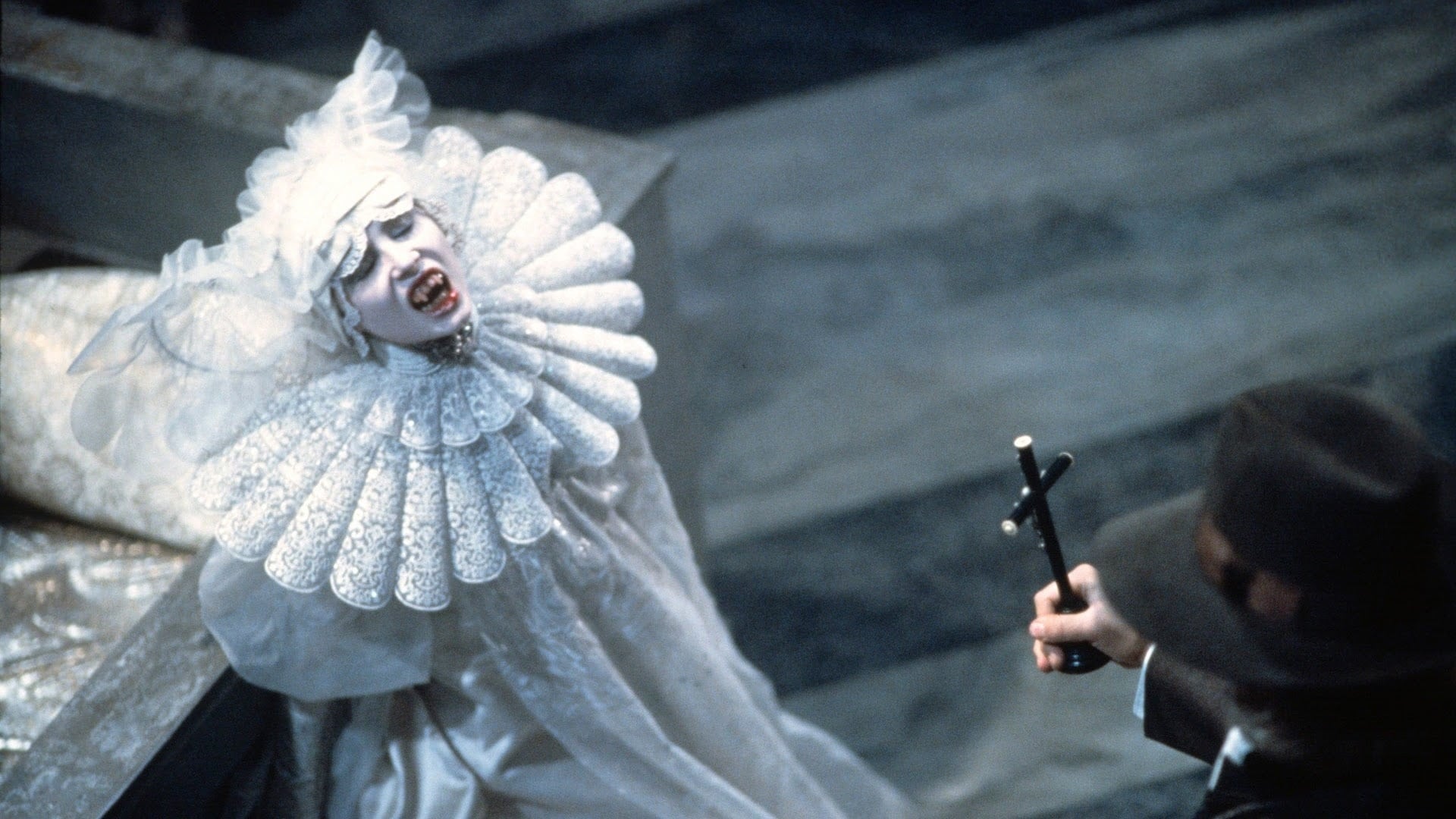
Dracula, by Bram Stoker – One of those foundational novels that everyone should read, if only because so much of the genre can be traced back to here. Stoker didn’t invent the concept of the vampire and this wasn’t the first novel to tackle the subject, but he established and codified so much of what we know that nearly everything that followed is dependent, in some way, on this novel. We’ve already covered a few of the filmic adaptations this year, and it’s always interesting to read the source material, especially when it’s so divergent from its adaptations.
This is an epistolary novel, meaning that the story is told entirely through diary entries, letters, and newspaper articles. This is the sort of thing that doesn’t translate well to screen adaptations, though the story itself isn’t all that complicated. Still, reading the story in its original form does help smooth over some of the issues you might have with the various adaptations. The very form of the novel emphasizes the perspective of various characters, including their lack of knowledge. This leaves certain gaps in the overall story that feel natural in the context of the novel, but can be difficult to adapt. Perhaps as a result of its unusual format, it holds up surprisingly well. It’s also worth noting that you get more information about various side characters, several of whom are more prominent in the novel than the various adaptations.
Dracula himself is only described by other characters, so you don’t get anything from his perspective. In previous posts, I’ve mentioned that Dracula is a character that tends to suffer from Flanderization, and it’s interesting that his eponymous novel actually has less background and detail than many of the adaptations, which usually add a tragic backstory, more personality, and even romance (or horniness) than is present in the original novel. He is far more monstrous here than we are accustomed to from the movies, though some get it reasonably correct I guess.
I have the dead tree edition and referenced that, but I mostly just listened to the Audible Edition, which is an excellent production featuring different voice actors for each character, including some big names like Alan Cumming and Tim Curry. Recommended if you’re looking for a new way to experience the novel (or if you’ve never read it). It’s also free if you have an Audible subscription (there are several other editions available on Audible, but I have not sampled those).
The Portable Edgar Allan Poe – I was already familiar with some of Poe’s more famous stories and poems (i.e. The Raven, The Tell Tale Heart, etc…), but I wanted to have Poe fresh in my mind before watching Mike Flanagan’s The Fall of the House of Usher Netflix series, so I picked up the Penguin Classics collection (which is not comprehensive, but good enough for my purposes).
In terms of his fiction, the collection splits the stories up into various themes, like Predicaments, Bereavements, Antagonisms, Mysteries, and Grotesqueries. If you’ve read any Poe, you know he has a dense, baroque style that can be impressively moody, but he is also able to anchor many of these stories with good storytelling and plotting. The stories in the Bereavements and Grotesqueries (and some, but not all of the Predicaments) sections are less effective in terms of plot, but no less potent (even if those stories are usually more difficult reads). The Mysteries often hinge on things that will be immediately obvious to modern readers, but were true innovations in their time (as such, your mileage may vary, especially if you’re not in the mood or right frame of mind).
Indeed, many of these stories have permeated throughout culture such that you can probably see various twists and turns coming even if you haven’t read the story before, but Poe’s evocative style helps keep it fresh. It’s still great to read “The Black Cat”, even when you know where it’s going to end up because you’ve seen countless imitations throughout the years. There are still some stories that aren’t very well known, but which are clear precursors to more modern stories (take “William Wilson”, a clear precursor to Fight Club…)
Look, you probably don’t need me to tell you that Edgar Allan Poe is worth reading, but even though I’d read some of his stuff before, I’m really glad I took the time to do a more thorough exploration of his work.
The Dracula Tape, by Fred Saberhagen – Remember when I said that the original Dracula doesn’t feature that much information about its titular character? Well, this is a novel that retells the original story entirely from Dracula’s perspective. It’s an interesting idea, but one that strikes me as a bit too slight to support an entire novel. It’s the sort of revisionist work you see all over the internet these days, but I guess this approach was considered more valid in 1975.
Saberhagen attempts to paint a more sympathetic portrait of the famous monster here, to middling success. I mean, he’s still clearly a murderer and not everything can be explained away so easily, but he does point to the most glaring issue with the original novel. Blood transfusions were incredibly risky at the time of the novel and the concept of Blood Types wouldn’t be discovered for a few years. It’s something that’s pretty easy to gloss over when reading the original novel, but it’s funny how Saberhagen uses it to justify Dracula’s actions here. He was simply trying to protect Lucy from that idiot Van Helsing, who was killing her with unsanitary blood transfusions from multiple different people (who probably had incompatible blood).
It’s a fun idea, but has difficulty sustaining the approach for the whole story, which can get a bit tedious after a while. On the other hand, I wonder if that’s just because I had just read the original novel? It might play a bit better if you haven’t done that…
The Holmes-Dracula File, by Fred Saberhagen – I guess the aforementioned Dracula Tape was successful enough to warrant this sequel, where Saberhagen attempts a crossover between the two most popular (or, at least, frequently portrayed) characters in all of fiction: Dracula and Sherlock Holmes. While “versus” stories like this don’t exactly have the greatest reputation, there’s plenty of potential here, and it’s a more complete story than The Dracula Tape.
That being said, Saberhagen is no Arthur Conan Doyle, and the mystery at the heart of this story isn’t the greatest. Even the interactions between Holmes and Dracula, which are effective enough in themselves, are taken too far, as Saberhagen develops an elaborate backstory and family relationship between the Holmes clan and Dracula. I won’t spoil it, but it’s more than a little silly. It’s all in good fun though. It’s no classic, but a worthwhile, if lightweight, Halloween season read.
The Painter, the Creature, and the Father of Lies: 30 Years of Non-fiction Writings, by Clive Barker – I probably should have looked into this book further before buying it, because it’s not what I was expecting. I was hoping for something like Stephen King’s Danse Macabre or On Writing, but it turns out that this book is simply a collection of previously written introductions to Barker’s novels and other stories. Some of these are pretty good (there’s a good overview of Faust stories, for instance), but many (particularly the introductions to the various comic book projects he worked on) are disjointed and repetitive. It’s not completely without value, but I would not recommend seeking this out.
Murder Road, by Simone St. James – A couple on their honeymoon get lost and find themselves in the middle of an infamous local legend involving a haunted roadway, hitchhikers, and unsolved murders. This novel starts out strong, with relatable characters thrust into a dangerous situation where they don’t know what’s going on, can’t trust the police, and find themselves in the middle of a mysterious local legend.
After that initial burst of excitement, things bog down a bit as the couple begins to investigate the mystery. The small town atmosphere is well crafted, and some of the townfolk are memorable, if a bit cliched (i.e. the ornery landlady who has a connection to the mystery, the gossipy sisters that know all the town’s dirty secrets, etc…), but our intrepid heroes do act a bit dumb from time to time. The supernatural stuff is minimized, and thus this isn’t all that scary, but it does all resolve in a satisfactory way. There is a big twist that I must admit that I didn’t see coming (in part because I was a bit checked out by that point), and the ending, while exposition heavy, is strong. Ultimately, it’s a fine little thriller, but not exactly a new classic or anything.
Phiction: Tales from the World of Phantasm, by Don Coscarelli – Longtime readers know that I’m a big fan of the movie Phantasm, so I jumped on this short story collection by the writer/director of the movies. Each story is told from the perspective of one of the side characters in the movies, sometimes including folks with just a few seconds of screentime.
The story involving Reggie encountering something spooky during his tour in Vietnam is clearly the best of the bunch, with some solid action and a genuinely creepy encounter at its core. One story is about the Morningside Cemetery caretaker (the one who gets, er, sphered in the first movie) and fleshes out his backstory in a surprising way. Another story features Tim, the resourceful little lad from Phantasm III, and has an interesting post-apocalyptic feel to it (that is honestly better than the movie he’s featured in). Tobe was a character who showed up in one scene of the first movie as one of Jody’s friends attending a funeral, and this story has him encountering creepy stuff in town that parallels the events of the movie (one of the less effective stories of the bunch, but not bad or anything). The nunchuk-wielding Rocky gets a story that leads into the events of Phantasm III (another underwhelming story, but still probably more interesting than the movie). Finally, another post-apocalyptic story told from the perspective of Chunk from Phantasm: Ravager. I got a distinct Stephen King vibe (particularly The Stand) from this story, and I love the way Coscarelli forms a found family around Chunk.
The collection starts and ends on a strong note, and it’s obviously recommended for fans of the Phantasm films, who will get a real kick out of these stories. I think Coscarelli has some chops as a fiction writer too, and I wouldn’t mind seeing more fiction from him…
Crypt of the Moon Spider, by Nathan Ballingrud – Short novella (novelette?) that is apparently first in a trilogy, this one almost defies description. It speaks to Ballingrud’s facility with worldbuilding that he’s able to set this story on the moon with a whole history of giant spiders whose silk is used in medical procedures and, yeah, I’m still having trouble wrapping my head around this. It’s not Ballingrud’s best (“The Butcher’s Table” is my favorite for sure), but I’m interested enough to read more. I normally would have waited for the rest of the trilogy before starting this, but Ballingrud lives in Asheville, NC, which is still suffering the effects of Hurricane Helene, so I figured I’d throw some support his way.
My Soul to Keep, by Tananarive Due – Investigative journalist Jessica has married David, who is seemingly the perfect husband. But when mysterious deaths start to crop up around them, David reveals that he’s actually a 400 year old immortal being, and others from his sect will try to keep this secret at all costs.
There’s some fascinating stuff explored here about the practical realities of what it’s like to be an immortal being. It’s hardly the first book or story to tackle the subject, but it’s a good portrayal of the issues involved. Unfortunately, a good deal of this comes at the price of pacing and storytelling. Due is generally able to craft good, page turning sequences, but her extensive use of flashbacks just wreaks havoc with the pacing, leading to a disjointed reading experience. The flashbacks do inform the story and flesh out character and again, as individual sequences, they’re well executed. The flashbacks having to do with slavery, in particular, are important to the rest of the story and provide an effective illustration of the effect that could have on an immortal being (which is a good metaphorical way of showing how slavery in the past still impacts us today). But it all felt a bit too episodic for me (this is clearly a “me” problem; it’s just an approach I don’t love for storytelling).
Then there’s the fact that David is a bit of an arse. I mean, yes, that’s the point, but for an immortal guy who’s supposed to be very smart, why does he do so many stupid things? Why does he engage in impulsive murders, like Jessica’s best friend and coworker? I mean besides the petty, selfish ones that are obvious. Yes, he’s a flawed human who has become immortal and that leads to many complications, but still. Jessica, as a character, is a little better, but where this story ends up is kinda wild (and almost breathtakingly stupid given the setup – it’s actually kinda weird that none of the other immortals ever broke ranks and did what Jessica is doing at the end of the novel, but despite all the flashbacks, we don’t really get to know the immortals that well).
I’m clearly the outlier on this, as this is a popular book. It’s thematically complex and interesting, but there are several choices that I just couldn’t go with, particularly in the ending (both from a plotting and character standpoint). There are sequels, but I probably won’t be seeking them out.
Songs of a Dead Dreamer, by Thomas Ligotti – I’m only about 2/3 of the way through this collection of short stories, and the Penguin edition also includes another of Logotti’s short story collections (Grimscribe) in the same volume (both were basically out of print and impossible to find up until Penguin rescued them not quite a decade ago). All of which is to say, I will probably finish up Songs of a Dead Dreamer next week, and won’t tackle Grimscribe until some later time.
As for the stories themselves, they’re good. Maybe even great. But they are a bit… much. Ligotti may be the bleakest, most pessimistic writer I’ve ever read, but he’s certainly got a knack for… something. So I can’t exactly call these stories enjoyable, but they are strange and beautiful and evocative and they get under your skin in an odd way. My biggest complaints have more to do with nuts and bolts plotting and storytelling, but even that isn’t for all the stories. It’s one of those things that probably shouldn’t work for me as well as it does – other stories that engage in this sort of thing often don’t work. Something about Ligotti’s writing just works well, even if I can’t quite figure out why.
It’s certainly very dark, but there is sometimes a faint spark of black humor underlying some of the stories. Or maybe that’s just me. For instance, I couldn’t stop visualizing the narrator of this story called “The Chymist” (first in The Nyctalops Trilogy) as a Christopher Walken “The Continental” sketch. Obviously, the story isn’t as jokey or funny, but there’s a real similarity that I found amusing. These stories are not for everyone, and frankly, I’m not entirely sure they’re my thing either, but somehow I think they work and I’m glad I made the effort to seek them out.
Another successful Six Weeks of Halloween in the books (literally!) At 9.5 books, it seems I’ve surpassed the pandemic fueled record I set in 2020, though I think several of these are much shorter books, and I will admit to starting a little early (plus, listening to audiobooks always helps).
Time flies when you’re terrified beyond the capacity for rational thought. The Six Weeks of Halloween went as fast as ever this year, and now we’re already at the big day. In accordance with tradition, this is when we engage in a Speed Round of brief thoughts on films I watched during the 2024 marathon, but haven’t otherwise covered. Usually because it didn’t fit with a weekly theme. Or maybe I just didn’t have much to say about it. Or I had too much to say about it, but the moment and/or inspiration has passed. Or it’s a rewatch of an all time classic (or, uh, a non-classic) and you don’t need anyone, let alone me, telling you more about it.
As of right now, I’ve seen 56 horror or horror-adjacent films during this Halloween season. Due to this being posted a bit before the big day, I expect that number to rise by two with the traditional Halloween night blowout tomorrow. Regardless, this number is well below last year’s count (which rivaled the pandemic fueled record of 71 back in 2020), but it’s worth noting that one of the TV shows I watched last year tracked each episode as a separate entry on Letterboxd (while this year’s big series was just one entry). Even with that, I’ve basically reverted to pre-Covid levels of viewing, which is… probably a good thing.
In accordance with tradition, we’ll have one final 6WH post next week about the horror books I read during the 2024 Halloween season, but for now, let’s dive into this 2024’s Speed Round:
Six Weeks of Halloween 2024: Speed Round
Dracula (1931) – I read Bram Stoker’s novel of the same name early on in the marathon and went on a bit of kick of adaptations (and derivative novels, which we’ll cover in another post), resulting in a mid-week theme post, but I watched a few other adaptations, including a revisit of the Tod Browning original. I’ve actually covered this several times during the 6WH, most recently watching both this and the Spanish language version a few years ago (for the record, I prefer Browning’s take over the Spanish one). This rewatch was interesting in light of having just read the book, but while they changed or condensed lots of elements, it’s still a pretty good adaptation (especially given the svelte 74 minute runtime). It’s a movie that’s grown on my every time I’ve watched it, even if it has some flaws. ***1/2
Bram Stoker’s Dracula (1992) – Which would probably be more accurately titled as Francis Ford Coppola’s Dracula, since so many liberties were taking with the story. I mentioned in an earlier post that Dracula is a character that tends to suffer from Flanderization, and this is a prime example of that tendency. Coppola adds a tragic backstory and romantic subplot to make Dracula’s character more sympathetic. Did I say romantic? It’s probably more accurate to call this movie horny. Just incredibly horny. Almost comically horny.
All of this is pretty interesting considering that of the straight adaptations of Dracula, this one probably contains the most elements from the book. It’s just that they added more to the story, and tweaked tons of things. In any case, it’s a gorgeous movie – Coppola throws every practical effects trick in the book at you (a sorta last gasp before CGI took hold), and he knows how to harness that sort of stylistic virtuosity in a way that doesn’t overwhelm. But as a narrative? It’s a total mess. If I hadn’t read the book or watched countless other adaptations, it would probably be difficult to follow (and indeed, that’s my memory from watching this on cable back in the early 1990s). Still a fascinating movie with tons of memorable shots, and the 4K looks great. **1/2
In Search of Darkness: Part III (2022) – Basically a talking heads documentary about 80s horror, split up into various themes or years. If you’ve seen any of the previous installments in this series, you know exactly what you’re in for. Usually this sort of thing focuses on the big hits and more famous movies, but by this point in, they’re reaching for more and more obscure movies to cover, which is nice. It’s pushing 6 hours in length (and indeed, I started watching this last year, and only finished it this year), but given the nature of the movie, it’s very easy to pop in and out of it. Nothing exceptional, but always fun to reminisce or even discover something new. **1/2
Children of the Corn (1984) – Part of The Last Drive-In Nightmareathon, an all night marathon that actually aired in August. I obviously didn’t stay up all night back then, but I caught up with some of the remaining overnight segments after the fact. I actually covered this a little over a decade ago, and my feelings about this haven’t changed very much. Fun, but basically functional and more than a little silly (one of those things that works on the page better than it does on screen). **
The Silence of the Lambs (1991) – This is an annual rewatch, I’ve already said my piece on this, but it remains a classic standby and according to Letterboxd, it’s the movie I’ve rewatched the most in the past 10 or so years in which I’ve been tracking my movie watching there. Go figure. ****
Deep Red (1975) – After the Argento theme week, I revisited this with Arrow’s excellent 4K edition. This time around, I watched the extended cut, which is a bit odd in that the surviving audio is mixed between Italian and English language. This is one of those weird quirks of Italian cinema of a certain age in that absolutely everything was dubbed. In this case, the actors are all clearly speaking English, and the American version has an English language audio track to match. The extended cut has more footage, but the English audio never survived (but they do have the Italian). So it’s a bit of an awkward watch (if you watch it in all Italian, it would be consistent, but the actors are clearly speaking English, which would still be odd), but the movie is still great. I think I probably prefer the American cut, but it’s still one of the better Giallos out there, the Goblin soundtrack still rips, and the Arrow 4K looks great. ***1/2
Student Bodies (1981) – A slasher parody made in 1981? It probably speaks to how firmly the slasher tropes and conventions were established even that early on that such a parody was possible. Tons of effective gags here: a runny tally of deaths shows up after each attack, graphics and text show up on screen indicating character’s obvious mistakes (door unlocked, etc…), the movie is set on Halloween, Friday the 13th, Jamie Lee Curtis’ birthday, the night of the big game, big parade, and the big prom. And so on. The best, and most famous bit, is when the movie basically stops so that a censor can come on screen and scold the audience (while ensuring that the film gets an R rating). It’s not perfect and some of the humor doesn’t land, but I actually quite enjoyed this. **1/2
Race with the Devil (1975) – A couple vacationing in an RV witnesses a satanic ritual and is subsequently chased by the cult (which is seemingly comprised of everyone in the tri-state area (or wherever; it’s more fun to say tri-state than “region”). At first it seems like they’re going to fumble this solid premise (doesn’t really capitalize on the isolation of the terrain or the paranoia of being amongst the local townfolk, who aren’t really off kilter enough), but the vehicular mayhem in the third act saves it. Not quite Road Warrior-levels gratuitous action, but it’s a welcome development, and you’re left with the typical 70s bleak ending. Given my general dislike for sequels and remakes, it’s worth noting that this one seems ripe for such a treatment (i.e. good premise but not a classic, could benefit from an action and suspense auteur’s talents)… **1/2
It’s What’s Inside (2024) – Technically more horror-adjacent, this body-swapping SF flick does generate plenty of suspense. It requires you to pay close attention (keeping track of who is in who’s body), but I quite enjoyed that aspect, and they put the premise through its paces, developing multiple effective conundrums with plenty of twists and turns.
The only problem is that the characters are quite obnoxious. Nowhere near as bad as Bodies Bodies Bodies in that respect, and this struck me as a much better version of that sort of thing, but it’s still a tad annoying. Really wish I got to see this one in a theater (stupid Netflix), but it’s something that will probably show up in our year end festivities… ***
The Last Horror Film (1982) – Cheapo Troma attempt at American Giallo with Caroline Munro and Joe Spinell. Set during the 1981 Cannes Film Festival, there’s tons of obscure (and not so obscure) movie dork references (Possession! Thief! And several others are featured in background posters, etc…). The horror elements are a little more uneven, but Spinell is great (this would make a good companion piece to the superior Maniac) and the ending was better than expected. **1/2
Galaxy of Terror (1981) – The last of the aforementioned Last Drive-In Nightmareathon movies I caught up with, this is a sleazy Alien-ripoff, a cheapie Roger Corman production that looks surprisingly great but has a dull, nonsensical story. There’s some neat stuff for sure, and you get to see a pre-Freddy Robert Englund running around, but this is another one that actually might be a good candidate for a loose remake. As it is, it’s got its moments (I kinda liked the ending twist, as goofy as it was) and it’s a little fun, but it’s mostly just a curiosity. **
Scary Movie 3 (2003) – After watching the first two, I did continue to this third entry in the much maligned parody series. I would probably still recommend the aforementioned Student Bodies over any of these, but this one holds up favorably to the first two entries in the series. The targets this time around are more J-Horror related (or rather, the American remakes of J-Horror that were popular at the time), particularly The Ring, to solid effect. **1/2
The First Omen (2024) – Handsomely appointed prequel to The Omen that generates some solid scares, has great atmosphere, and a twist that I actually did not see coming. That said, the premise is ludicrous in the way a lot of modern Religious horror can be, and so it never really coheres in a way that really gets to me. It almost feels like an accelerationist plot by Hollywood, but that instinct falls into the same conspiratorial trap this movie does (not to mention its companion piece, Immaculate, which came out on top of The First Omen – both were probably in theaters at the same time – and features nearly identical Catholic born conspiracies.) As pure entertainment, it’s fine, if derivative (the last line in the film is an abomination), but deeper readings don’t hold up. Director Arkasha Stevenson is someone to keep an eye on though; she made something better than the franchise slop it could easily have become. **1/2
Transylvania 6-5000 (1985) – Dumb horror comedy about tabloid reporters going to Transylvania to track down… Frankenstein? Whatever, it’s got a great cast, with Jeff Goldblum, Ed Begley Jr., Carol Kane, Jeffrey Jones, Michael Richards, and an absolute smokeshow in Geena Davis. Alas, much of the humor falls flat, with some of the bits (particularly Kane and Richards) going on for an interminably long time (and not in the way where something can be funny, then go on too long, then go on so long that it boomerangs back to being hilarious – it just sorta lingers in that unfunny zone). The ending is pretty good though, and some of the jokes land fine. Ultimately mediocre stuff that should have been much better than it was. **
King on Screen (2022) – Bizarrely erratic documentary looking at Stephen King adaptations. Mostly talking head stuff, and the best interview comes from Frank Darabont, but the documentary just doesn’t have a good organizing principle and it’s not even particularly comprehensive either, so it ends up feeling like the sort of thing produced on a deadline that meant they just had to use what they found, rather than having some sort of overarching thesis or theme. On the other hand, it’s fun watching people talk about King and adaptations, so it’s not a complete waste either. **
Mute Witness (1995) – Underrated thriller about a mute woman who witnesses a crime and must escape from Russian mobsters. The first act is almost ludicrously tense, just perfectly executed cat and mouse stuff.
Tons of unexpected twists and turns, and some clever developments in the end (trying to be vague here, as I’m guessing most have not seen this, and the less you know about it, the better). There’s even some well integrated comedic relief that doesn’t undercut the overall suspense. Highly recommended, and the newish Arrow 4K looks great. ***1/2
Ninja III: The Domination (1984) – Wildly entertaining mashup of action, horror, and 80s cheese. A classic childhood cable discovery that seemed lost for a while, at least until Scream Factory rescued it. I always forget how much this relies on the 80s fitness craze, almost rivaling the other seminal entries (Killer Workout and Death Spa), but the added Ninja lore and action is just great. Not conventionally good, but I still kinda love it. ***
Woman of the Hour (2024) – Anna Kendrick directed and stars in this recounting of an odd bit of lore in which a serial killer went on The Dating Game (and won). The game segment and immediate aftermath is the real centerpiece of the movie, and Kendrick does a great job capturing how this happened and the immediate aftermath. The sequence at the tiki bar is expertly crafted (the way Kendrick moves from simple shot/reverse shot to a more isolated side-on angle is subtly unnerving), as is the parking lot scene. Kendrick makes good use of the frame without getting overly showy or hamfisted about it. Outside of that gameshow centerpiece, the movie is a little more disjointed, but I chalk this up to the limitations of basing this on a true story (even if I’m sure some elements are exaggerated). Really curious to see how Kendrick proceeds from here, as she’s clearly got some chops. **1/2
Tragedy Girls (2017) – Interesting little comedic slasher about two teenagers who want to increase their social media clout by usurping a local serial killer’s reputation and murdering their enemies. All well and good, but the murders tend to look like accidents, so the police don’t really put it together. Womp womp. Great lead performances from Brianna Hildebrand and Alexandra Shipp, with solid supporting roles by the likes of Jack Quaid and Kevin Durand.
Much of the humor lands, but the commentary and satirical japes often come off as insufferably smug. If you can get past that, it’s a darkly fun movie that’s worth checking out. **1/2
Slayers (2022) – Every year, for some reason, I end up watching some sort of godawful vampire movie. Sometimes I’ll enjoy it despite it still being quite bad, other times, I’m not as fortunate. This is the latter. What a dog. It’s got a solid cast though (Thomas Jane, Abigail Breslin, Malin Åkerman, etc…) and there’s a nugget of an idea here, but man they pad the hell out of this and spend an awful lot of time delivering dry exposition about vampire lore. It’s pretty stupid and not recommended, even for fans of bad movies. *
The Convent (2000) – This is a throwback to mid-80s cheese, complete with a typical teen cast spending the night in an abandoned church, and Adrienne Barbeau wielding a shotgun. It even kinda looks like it’s from the 80s (it definitely doesn’t have that slick, early aughts nu-metal feel). It’s short and sweet and a total blast. Spoiler Alert: The doggy gets posessed.
Special thanks to Final Girl’s Shocktober post ranking this #336 for pointing this one out, really glad I took a flier on it. ***
Silent Madness (1984) – A slasher from the tail end of the Golden Age, but remains true to nearly every trope and convention of the subgenre. Escaped mental patient who suffered a tragic “prank” in the past and is now out for revenge, promiscuous teens, a sorority house massacre, lots of stalking and gnarly kills (was this originally made in 3D? Some pretty blatant shots of sharp objects being pushed directly at the screen here…), the list goes on. A bit bumpy at the start, but it’s a solid little slasher. (Another obscure movie rescued by Vinegar Syndrome a few years ago…) **1/2
Strange Darling (2024) – Covers the end of a serial killer’s spree using clever nonlinear storytelling. Visually impressive, well acted, with plenty of interesting twists and some good lead performances. There are some divisive components to the story, but I don’t want to spoil anything and I was able to go with it just fine. The only really annoying thing about this is actually a text card that shows up at the beginning of the film informing us that the film was shot entirely on 35 mm (which is great, and the movie looks great, but please don’t hit us in the face with it before the movie even begins – throw it in the end credits or something – ultimately this is a small quibble, but still.) Well worth seeking out. ***
Satan’s Little Helper (2004) – Part 1 of Joe Bob’s Beelzebub Bash, this is a movie we’ve covered briefly before, but it still holds up reasonably well. Not my favorite or anything, but it’s got a goofy, mean-spirited charm that might work for some. **1/2
Jason X (2001) – I’m cheating a little, as I watched this on Friday, September 13 – a little early for the marathon, but worth calling out as one of the more fun entries in the Friday the 13th series. Three great components of this: The Cronenberg cameo, the liquid nitrogen gag, and the sleeping bag callback to part VII. Lots of other ridiculous but fun wrinkles in this (and very much a product of its time), but it may be a bit underrated at this point. **1/2
Smile 2 (2024) – Well executed sequel that suffers a bit from, you know, being a sequel. The novelty of the premise is gone and at over two hours long, that could get a bit tedious, but it’s all executed well enough that it doesn’t really get boring. After an amazing first scene (shot as one take) that provides the connective tissue between the first movie and this sequel, the Smile curse is passed on to a pop-star about to embark on a comeback tour. Honestly, while there are several crafty jump scares and the trademark smiling face remains creepy, the daily rigors of being a pop star seems almost as horrific. The ending cheats a bit, and implies that a pretty significant portion of the film didn’t actually happen, but it capitalizes on something kinda clever (even if it’s a bit predictable when you find out who our protagonist is, it’s still effective when you see it come to fruition). Just a dumb observation – the demon is presenting our protagonist with an alternate version of reality, while presumably driving her body in the real world, so, like, did the demon have to learn the dance routines (like, pop, twist, shake, pivot, then hop) and meet with fans, sign autographs, and stuff? It’s unclear. Anyway, it’s better than expected, but still suffers from sequelitis. **1/2
Horror in the High Desert (2021) – Interesting mock documentary with a found footage climax that works reasonably well. It starts off a bit slow and conventional, profiling a dorky outdoorsman who can’t pronounce his Rs and went missing after going out on a multi-day hike. The mock doc stuff works reasonably well, though it suffers a bit from amateur acting and overuse of its soundtrack. The overall photography doesn’t look great (still functional, but clearly some budget would have helped here), but the final 15 minutes are so are quite effective (YMMV, but it worked fine for me). Also, they devised a clever and logical reason for him to keep filming, always a bit of a challenge in found footage. Not exactly a classic, but a solid entry in the sub-genre, and there are multiple sequels that I’m interested in checking out (was actually going to make this a mid-week theme, but ran out of time this year). **1/2
Late Night with the Devil – Part 2 of Joe Bob’s Beelzebub Bash, I was actually fortunate enough to see this in the theater earlier this year. Not exactly a found footage film, but not quite a mock documentary either, it sorta features elements of both… and more. Indeed, I think it probably cheats a little bit, straying from the idea that you’re watching a late night talk show that aired live in 1977 (with behind-the-scenes documentary footage spliced in). On the other hand, I found it riveting from start to finish. David Dastmalchian plays the talk show host and does quite well (it’s a departure from the types of roles he is usually cast in, and he rises to the challenge) and the supporting cast is all great, particularly Ingrid Torelli as the young possessed girl and Ian Bliss as the skeptic. It doesn’t quite reach the level of verisimilitude that Ghostwatch (a clear analogue) achieved, but it’s worthwhile. It’s a shame that there’s an AI controversy over some minor imagery used in the film (which was done before any recent AI provisions in contracts, etc…) that has dominated the discourse about this, because it’s actually quite good and worth seeking out. ***
Phantom of the Paradise – Phantom of the Rock Opera. Or cantata. Whatever. Built on the foundation of Phantom of the Opera, but incorporating elements of Faust and even The Picture of Dorian Gray, with Brian De Palma’s delirious visual style ramping up the energy. The story also has some prescient criticisms of the music industry, including an anticipation of auto-tune that was pretty amusing to see. It’s all very relevant, even to this day. Unfortunately, the music is kinda pants, though you could convince me that it gets better with repeated viewings (and especially with a crowd).
I can see why this has garnered such a cult following, though the near universal praise is a bit strange to me. I mean, who among us hasn’t felt the urge to don a cape and seek revenge against those who’ve wronged us, but this sort of kitschy experience doesn’t always work for me. I’m just not much of a musical guy either, and while De Palma’s bravura camerawork kept my attention, I just didn’t really connect with this the way everyone else seemingly does. **
The Rocky Horror Picture Show – I had this idea to do mid-week Horror Musicals theme, but ran out of mid-weeks to do it. I really wanted to catch up with the aforementioned Phantom of the Paradise, and while I was at it, I thought I’d give another chance to The Rocky Horror Picture Show. I’d seen bits and pieces of this one over the years, usually in the background of some party or bar or something, but I’ve never seen it all the way through, and sadly, I still have not seen it in its true environment: a midnight screening at a movie theater with a raucous crowd. Like Phantom, I can see why this has such a big cult following, and while the music isn’t exactly my thing, it’s absolutely catchy and totally the sort of thing that I could see a participatory crowd getting into. That being said, I’m just not a musical guy, maybe there’s something broken in here, whatever, but I just don’t seem to connect with this sort of thing. **
Trick ‘r Treat – An annual tradition on Halloween night, I’m excited to try out the brand spankin new Arrow 4K. Will hopefully be an upgrade over the old Blu-Ray, though it’s not like that one was bad or anything (and the difference between BD and 4K is not as big as DVD to BD). ***1/2
Halloween – Duh. (Another Halloween night tradition for tomorrow, will be watching the Scream Factory 4K.) ****
Another successful Halloween season in 2024, and I already have ideas for the 2025 marathon. In the meantime, stay tuned, as we’ll cover some Halloween season’s readings on Sunday. Have a great Halloween everyone!